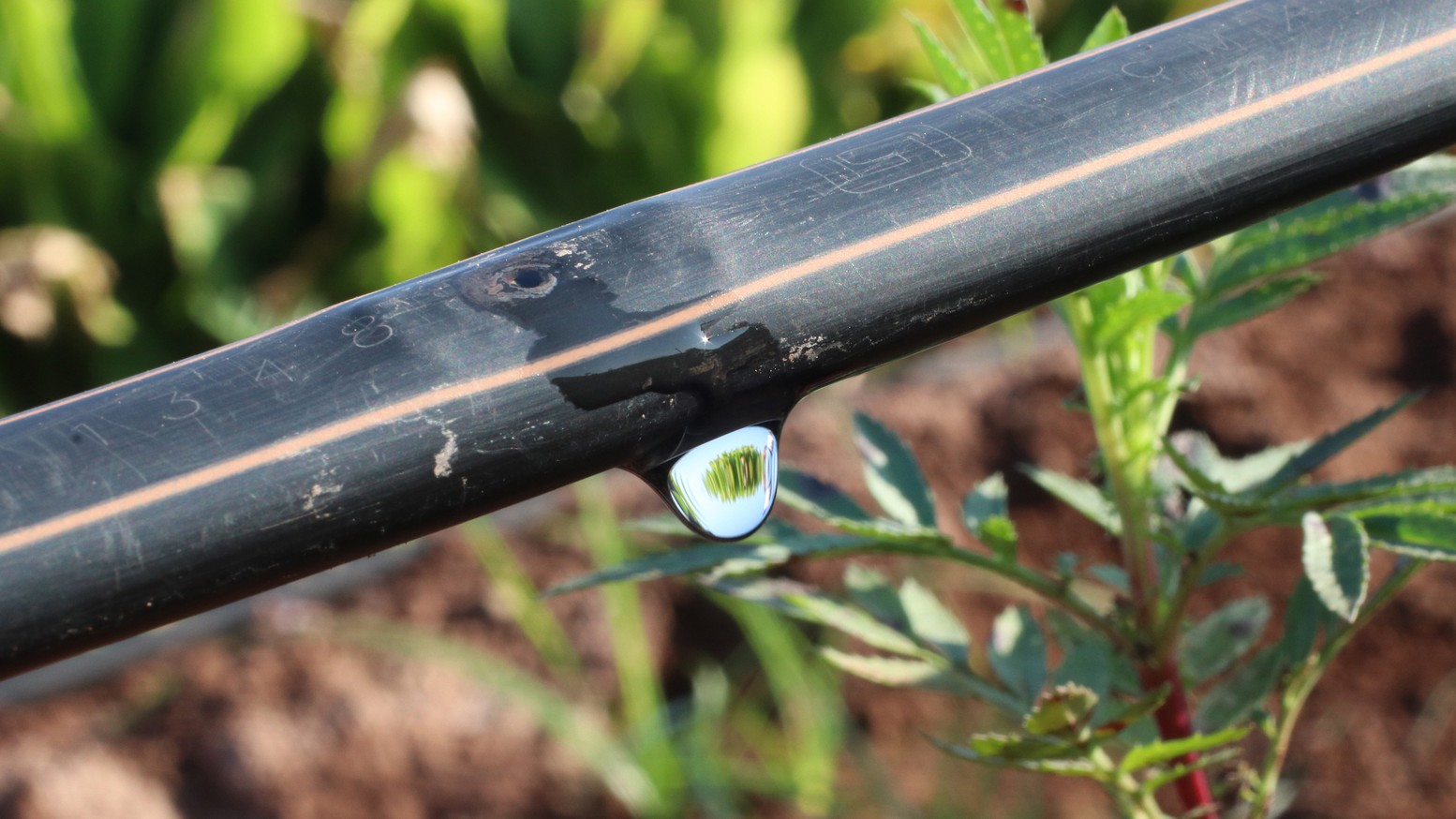

Amazon India has announced new water-saving projects in Bengaluru and Hyderabad, in collaboration with Netafim, part of Orbia Precision Agriculture, a global leader in sustainable irrigation. The projects are expected to save more than 325 million litres of water a year by replacing traditional flood irrigation with drip irrigation across 120 hectares of farmland.
The initiative will benefit around 110 independent farmers while easing pressure on city water supplies in two of India's most water-stressed regions.
How drip irrigation saves water
Drip irrigation delivers water directly to plant roots, significantly reducing waste while maintaining crop yields. The technique helps farmers use water more efficiently and reduce pressure on urban supplies.
Both projects form part of Amazon's wider commitment to become water positive in India by 2027, meaning returning more water to communities than the company uses in its direct operations.
"We are proud to collaborate with Amazon on this important initiative, which demonstrates how precision irrigation can deliver real impact for farmers and communities alike," says Max Moldavsky, Director of Innovation and Climate Solutions, Orbia Netafim.
He adds, "By helping farmers transition to drip irrigation, we are improving water efficiency, strengthening livelihoods, and contributing to broader water security efforts. This project reflects Netafim's long-standing global commitment to water stewardship and climate-resilient agriculture."
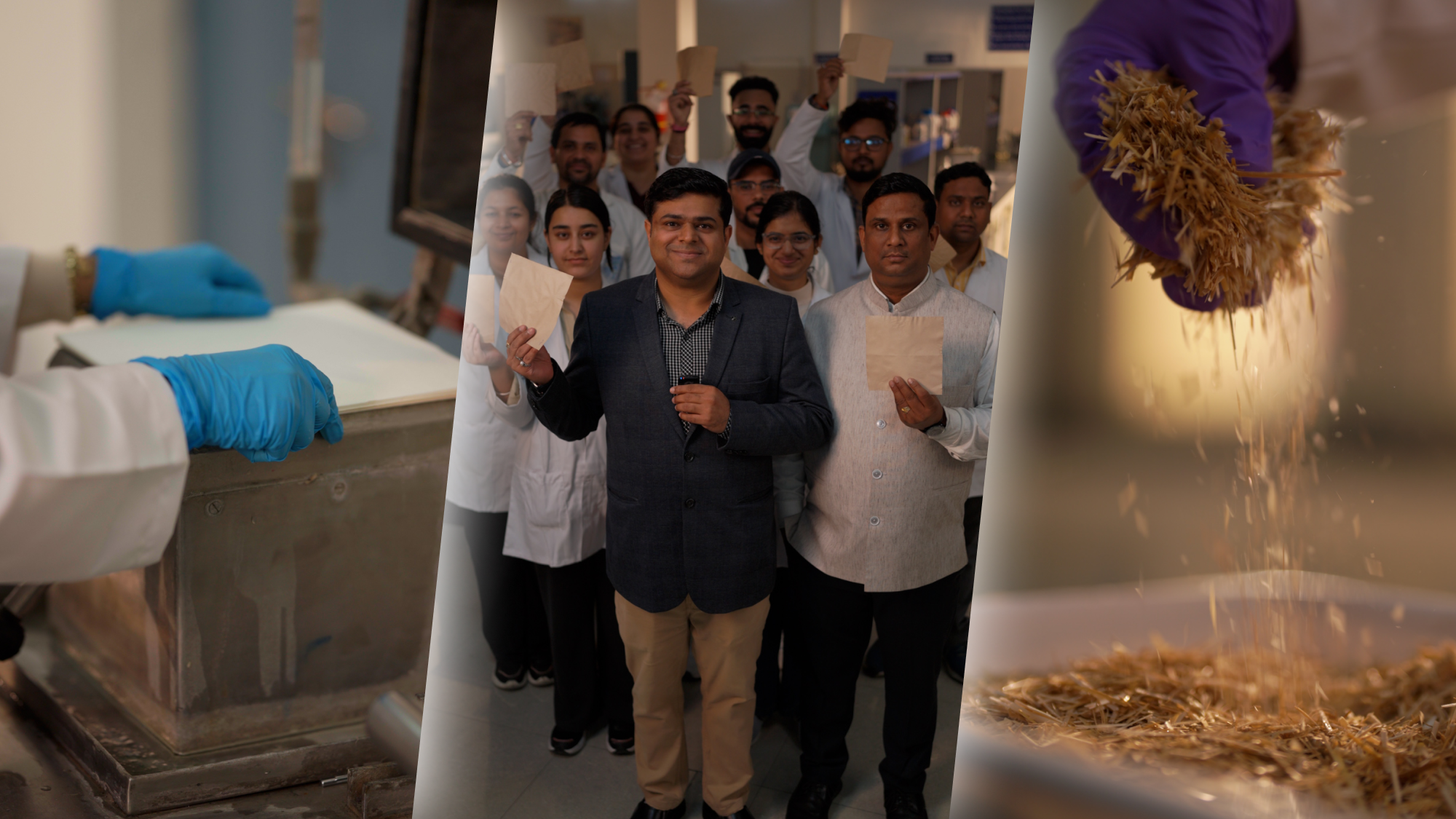
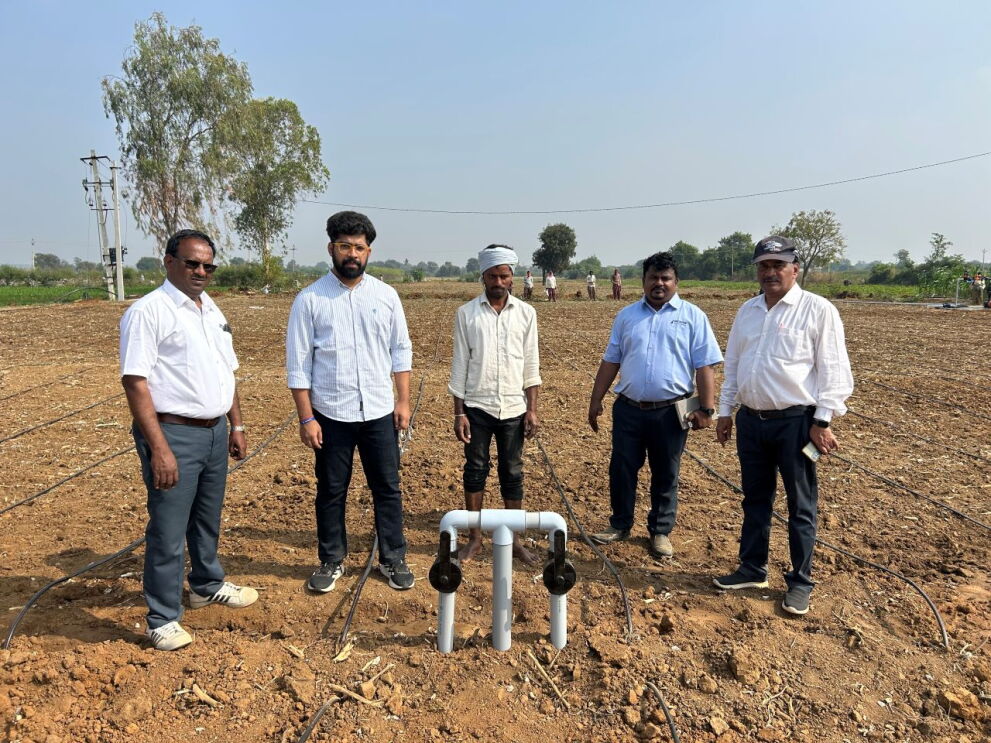 On-site review of drip irrigation installation.
Bengaluru project: 175 million litres saved annually
In Bengaluru, the project is expected to save more than 175 million litres of water a year by replacing traditional flood irrigation with drip irrigation across 80 hectares of gourd and tomato farms.
This effort responds to acute water stress in Bengaluru and across Karnataka, one of India's most water-stressed regions, and will support around 70 independent farmers in Bengaluru's western agricultural belt.
Farmers participating in the project currently rely on local water systems that are connected to the TG Halli reservoir, which supplies parts of west and north Bengaluru.
Hyderabad project: 150 million litres saved annually
The Hyderabad project is expected to save around 150 million litres of water a year by replacing traditional flood irrigation with drip irrigation in around 40 hectares of maize and vegetable farms.
It will support around 40 independent farmers in Hyderabad's northern agricultural belt, where water resources are under increasing strain.
Farms in the area draw water from sources connected to the Kondapochamma Sagar reservoir, part of the Kaleshwaram Lift Irrigation Scheme, which helps strengthen the city's future water security.
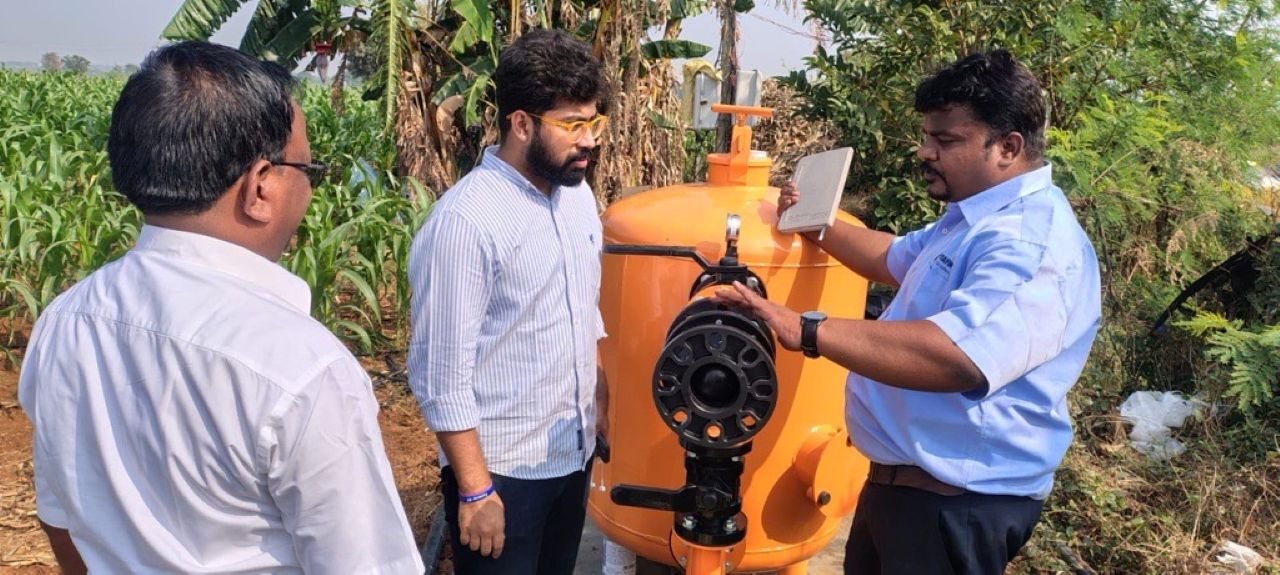 Live demonstration of advanced irrigation technology.
Supporting responsible water use in India
“These initiatives focus on practical solutions that make a measurable difference on the ground, helping farmers improve the efficiency of their irrigation systems while contributing to water security in water-stressed regions. We're committed to such collaborations as part of effort to support responsible water use in India,” says Abhinav Singh, Vice President of Operations, Amazon India and Australia.
Amazon: Water Positive by 2027
In 2024, Amazon announced a goal to return more water to communities in India than it uses in its direct operations by 2027. The announcement was built on years of water efficiency improvements at its sites and sustained investments in water-stressed communities.
The company has invested more than ₹42 crore for water replenishment efforts across India, with these investments expected to restore over 3 billion of water annually.
Amazon’s investments span multiple initiatives across India:
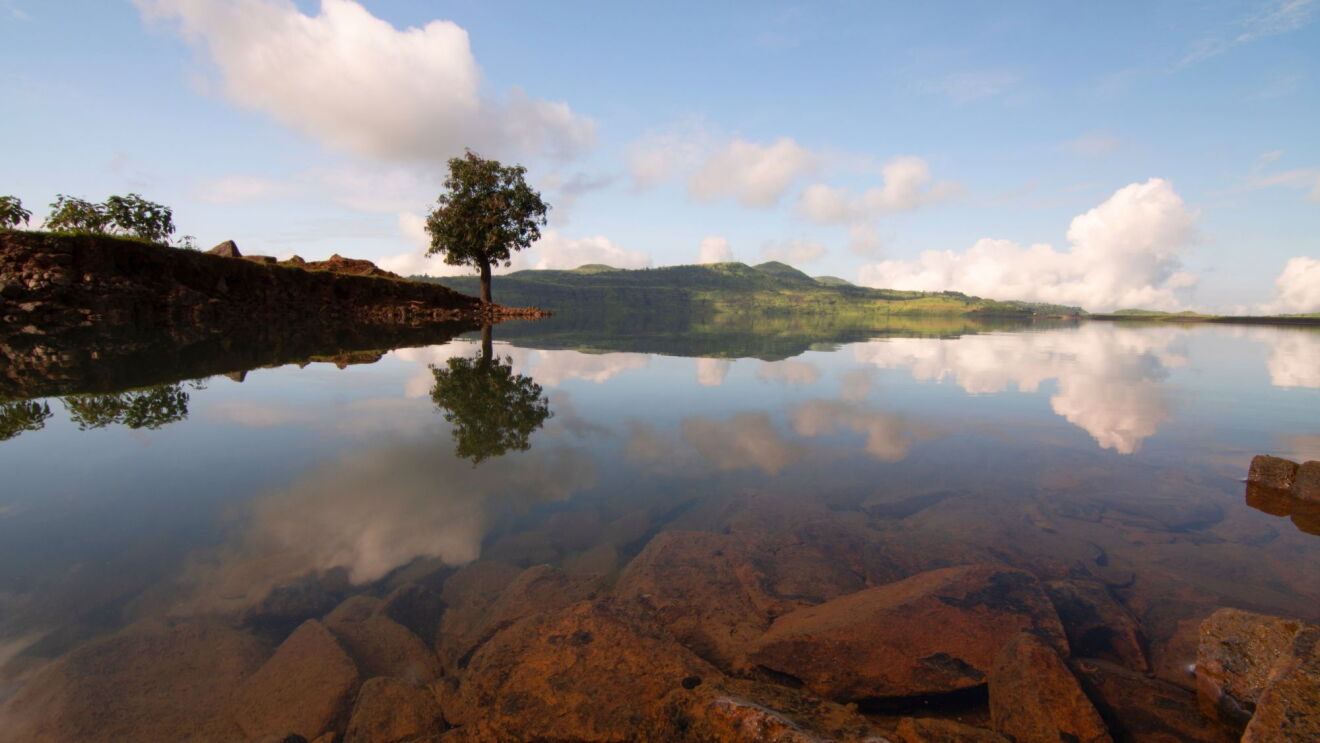
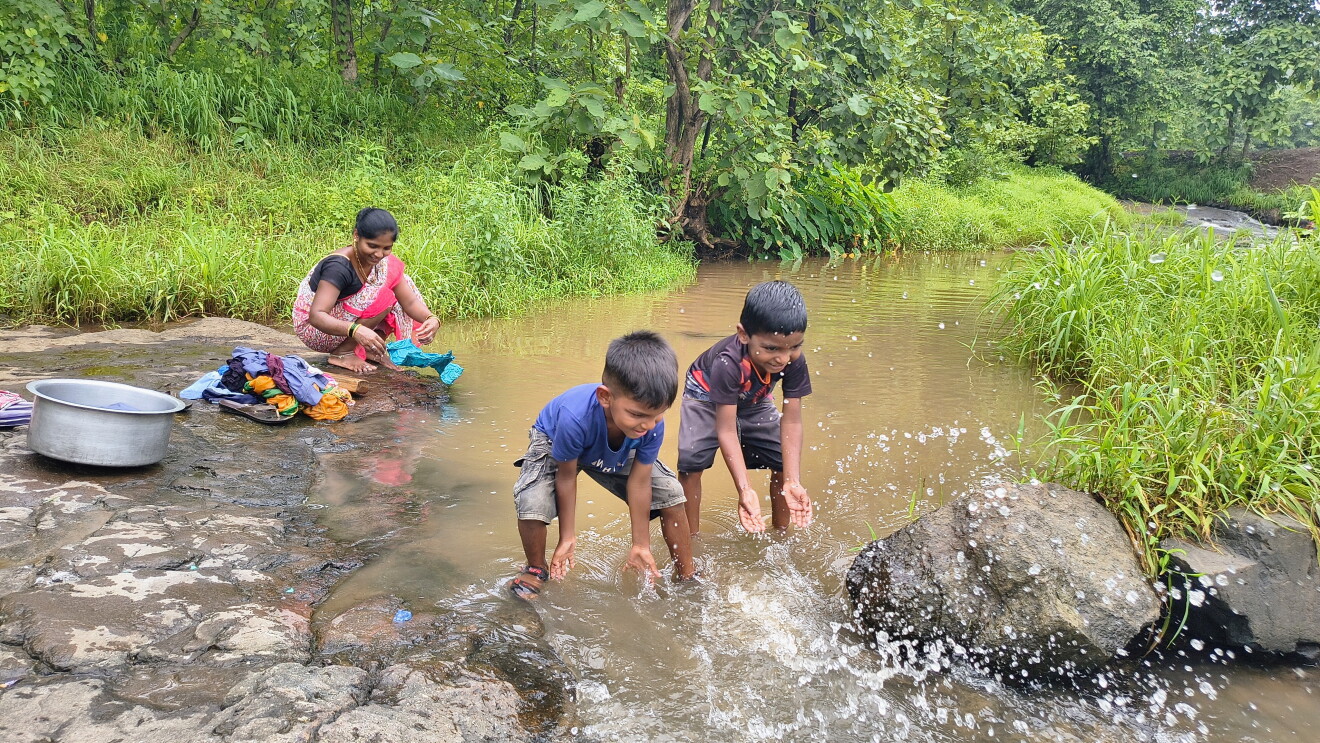
- Maharashtra: A ₹10 crore initiative in Vaitarna hydrobasin, expected to replenish 1.3 billion litres annually and benefit more than 700 farming families.
- Bengaluru: Collaborations with SayTrees to restore Yamare and Sai Reddy Lakes, together expected to replenish over 570 million litres annually.
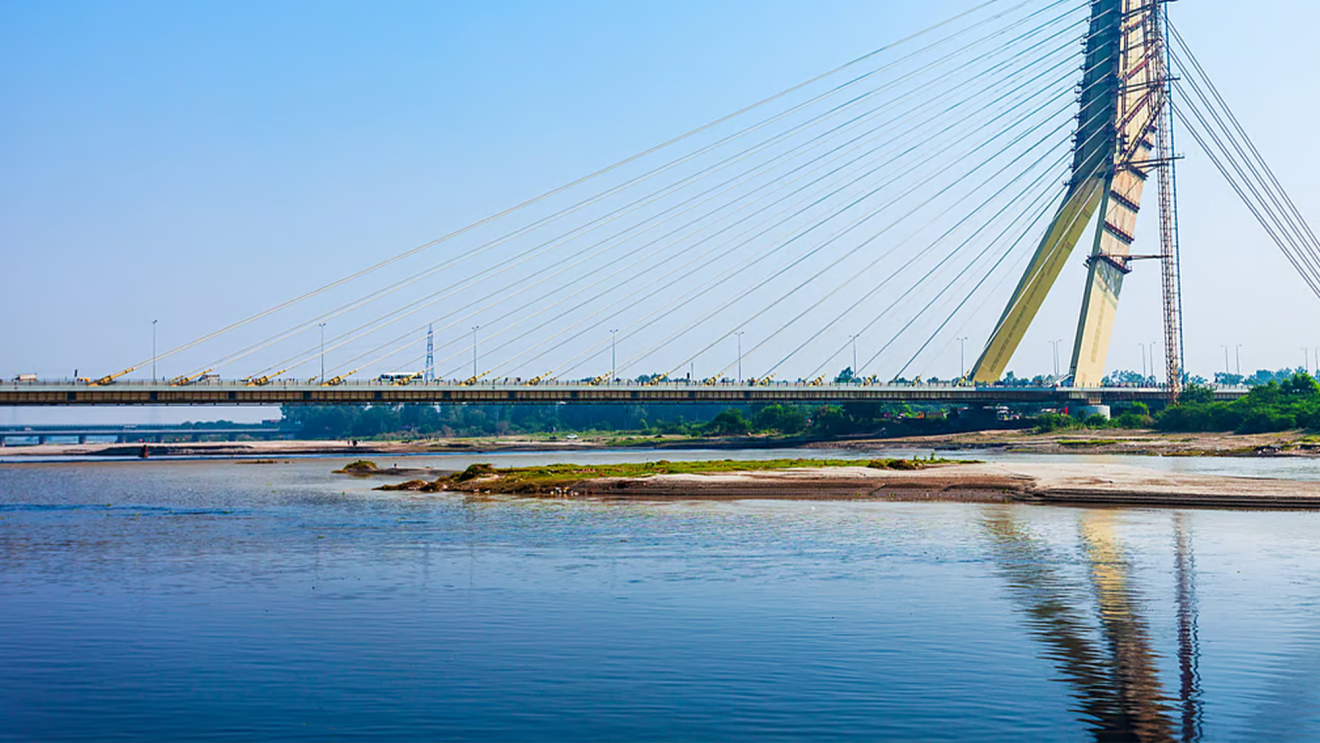
- Delhi: A Yamuna river watershed project in New Delhi adding another 400 million litres of annual replenishment capacity.
Through Amazon Web Services, Amazon also supported water replenishment work with WaterAid to supply 640 million litres annually around Hyderabad, and collaboration with Water.org delivering over 500 million litres annually to communities around Mumbai and Hyderabad; and projects with SEARCH to help ensure a more consistent water supply for farmers in villages surrounding Hyderabad where AWS has operations.
More information about Amazon’s commitment to water conservation and restoration can be found on Amazon’s Water Stewardship website.