
Page overview
Patola: Gujarat's double Ikat treasure
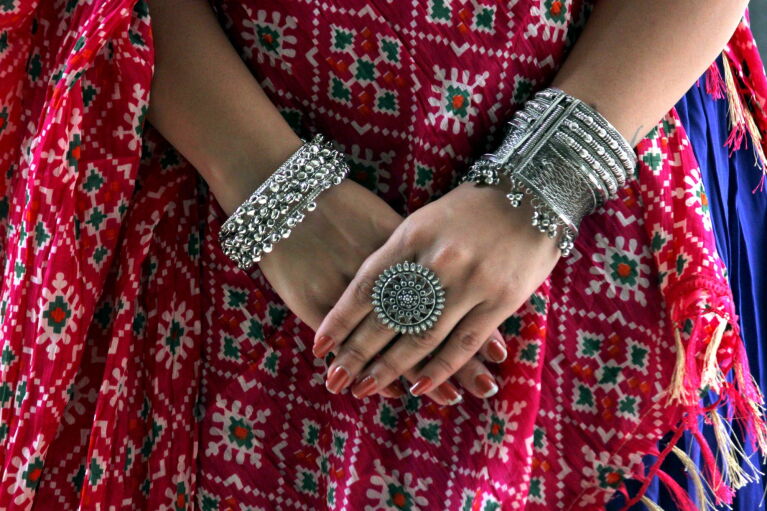
In the city of Patan, Gujarat, a small number of families guard one of India's most closely held textile secrets: the Patola saree. This rare double Ikat craft demands precision. Both warp and weft threads are individually tied and dyed before weaving begins, producing a fabric that looks identical on both sides, with no wrong side, its surface covered in geometric patterns, flowering plants, elephants, and parrots rendered in jewel tones of red, green, yellow, and indigo derived entirely from natural dyes. A single saree can take several months to a full year to complete.
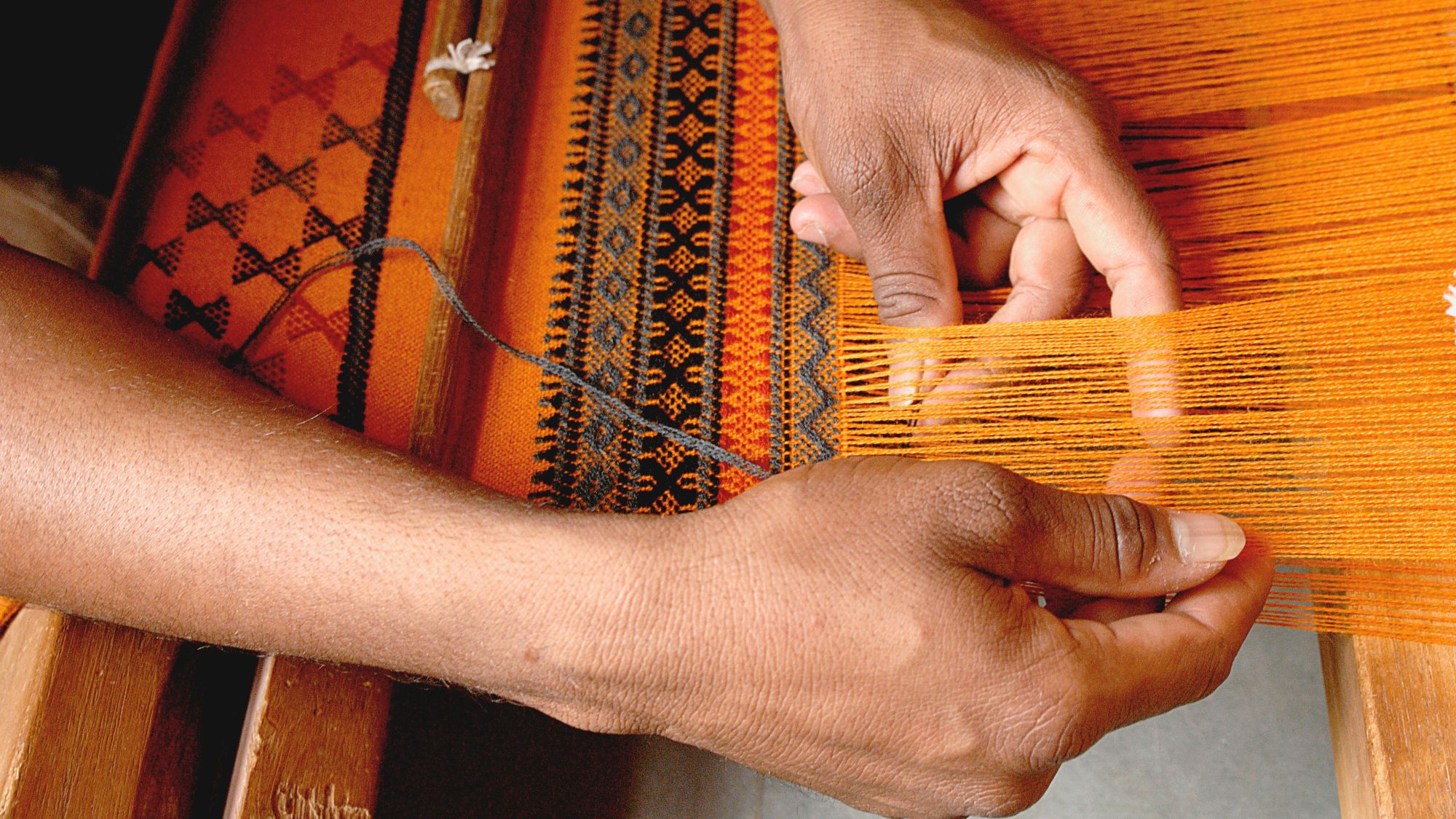
West Bengal has a centuries-old cotton weaving tradition and Tanter Kapar is among its most recognisable forms. Woven on pit looms and frame looms by artisans across rural districts like Nadia, Burdwan and Hooghly, the fabric uses fine cotton yarns, soft mulmul-like or crisp and airy, with a loose weave that allows maximum airflow, making it ideal for warm weather. Pieces are finished with floral block prints, hand-painted motifs, or decorative borders (paar) woven with contrasting threads or zari. The fabric is used in classic Tant sarees, lightweight ethnic wear and summer garments.

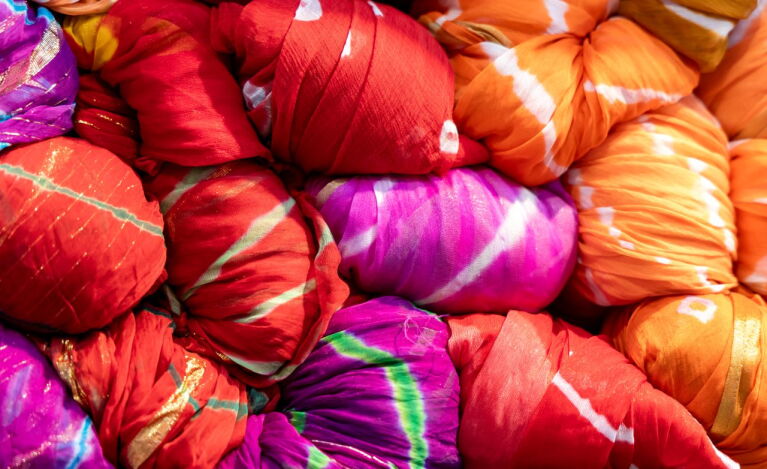
Using only their fingernails, Bandhani artisans pluck tiny pinches of fabric and wrap thread tightly around each one before the cloth is submerged in dye. The name comes from the Sanskrit word "bandh", meaning "to tie". Practised primarily in Rajasthan and Gujarat, Bandhani is one of India's oldest textile craft, with roots going back over 5,000 years. Artisans create thousands of tight knots by hand, finer pieces feature over 50,000 individual bindings, and when the knots are untied, each reveals a resist-dyed dot, forming dense geometric and floral arrangements across the cloth.
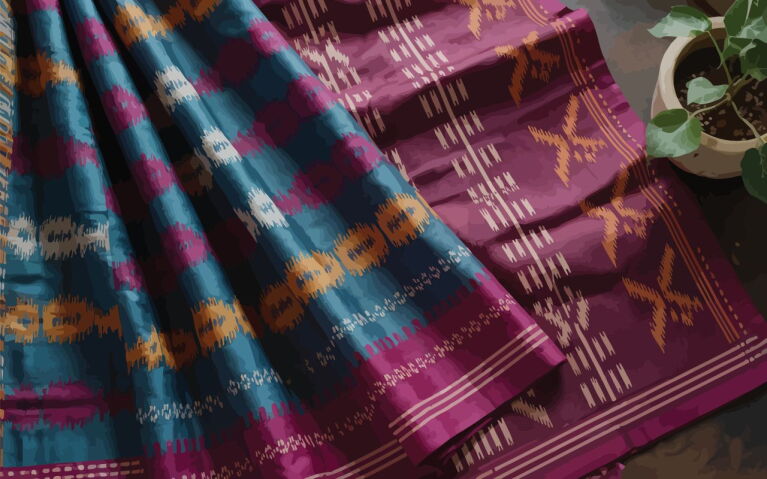
Sambalpuri, from western Odisha, is a [AB2] steeped in sacred symbolism. Using the Baandha (tie-dye) technique, artisans bind yarns with cotton threads and dye them in precise sequences before weaving begins, producing designs that reflect almost identically on both sides of the fabric. Motifs are drawn from temple architecture and spiritual life, the shankha (conch), chakra (wheel), rudraksha, and floral patterns, while the signature Pasapali chessboard layout represents geometric balance. Temple borders feature triangle-spire and kumbha motifs drawn from regional architecture.
Named after the town of Dhariwal in Punjab, these heavy woollen shawls have kept generations warm through northern Indian winters. Crafted from pure merino or high-quality blended wool, frequently certified with the Woolmark standard, each piece is woven by artisans on handlooms in a traditional large format designed as a heavy winter wrap. Predominantly worn over kurtas or formal winter wear, the Dhariwal Lohi remains a staple of Punjab's cold-weather wardrobe and a marker of the region's textile legacy.

In the Kutch region of Gujarat lies one of India's most mathematically precise textile crafts. Suf embroidery (the word means "neat and clean") requires artisans to stitch entirely from the back of the fabric, counting individual warp and weft threads to build flawless geometric patterns that emerge on the front. There is no tracing and no guidelines, just generations of skill passed from mother to daughter. Triangular motifs build into complex, symmetrical compositions, with the knowledge preserved through women in Kutch communities who have practised the craft for centuries.
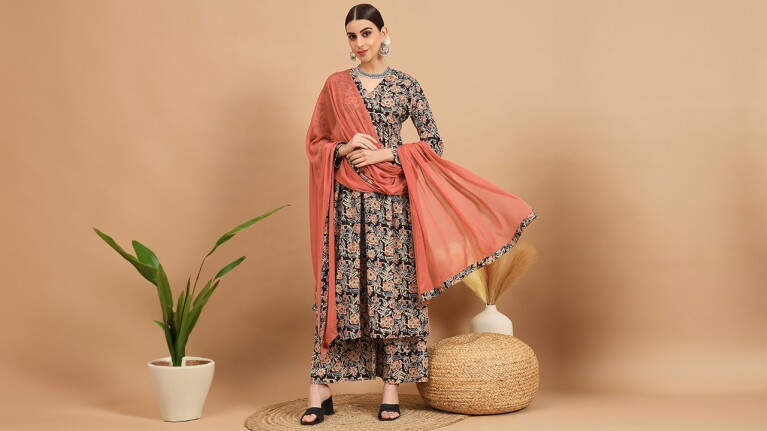
Kalamkari, from the words kalam (pen) and kari (craft), is the tradition of hand-painting or block-printing on cotton using natural, vegetable-based dyes and mineral salts. Practised primarily in Andhra Pradesh, artisans use a bamboo or date palm pen to render detailed scenes from mythology and nature onto fabric. Colours are derived from roots, leaves, plants, and minerals—indigo, madder red, mustard, and black among them. The traditional Srikalahasti style involves 23 steps from fabric treatment to final wash, and each finished piece is unique, carrying the individual touch of its creator.