
Key takeaways
- India is one of the most exciting places in the world to build conversational AI—dozens of languages, code-switching, diverse accents and multi-generational households—which is exactly why the Amazon teams here have played a key role in building Alexa+.
- Teams of scientists, linguists, engineers, and quality experts across Bangalore, Hyderabad, Pune, and Chennai build core Alexa+ technology: speech recognition tuned for real Indian homes, language understanding that handles code-switching and cultural context, and reliable task completion across services.
- Techniques developed to solve for India's complexity are now used globally. India isn't just a market where Alexa is localised—it's where core AI technology is developed and then applied worldwide.
I grew up in Hyderabad speaking three languages, but even that description makes language sound much neater than it really was. My parents spoke Andhra Telugu, while the Telugu I picked up with friends at school was Telangana Telugu, colored by the Hyderabadi Urdu and Hindi around us. Sometimes we would use completely different words for the same thing. And the Hindi-Urdu I grew up speaking sounded so different to my friends and cousins in northern India that they would joke it wasn’t even the same language.
None of this felt unusual growing up. We simply moved between languages and borrowed words from one another depending on who was in the room. I’ve always cared about enabling people to be their authentic selves, and today I get to connect that with my work: helping make Alexa the best personal authentically local assistant it can be, no matter where you live or what language you speak. People shouldn’t have to change the way they naturally communicate to make technology understand them. Technology should do the work of understanding us.
India is one of the most diverse places on earth. Dozens of languages, countless dialects and accents, households where three generations speak to the same device—often switching languages inside a single sentence. That’s what makes it such a fascinating place to build AI, and why some of the hardest problems in building Alexa+ are being solved right here.
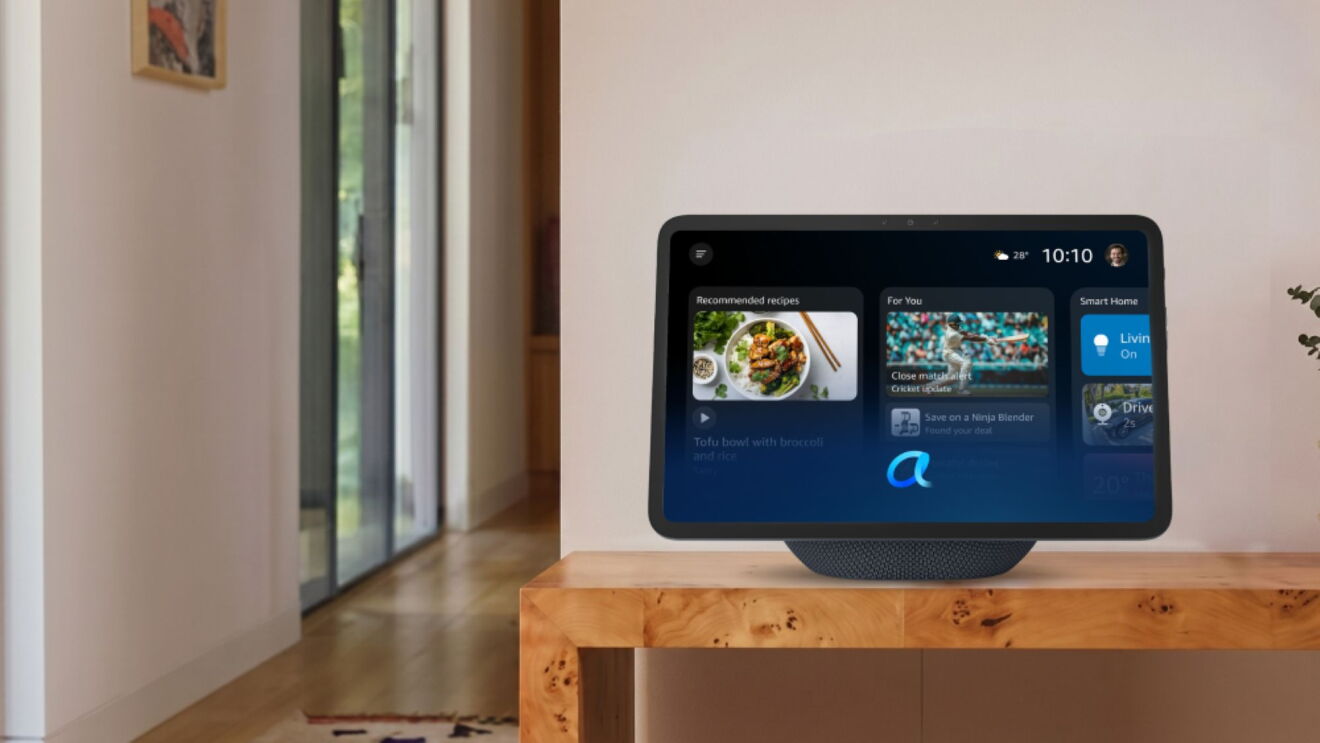
Scientists, linguists, engineers, product and quality experts across our India offices have been central to building Alexa+, Amazon’s new AI-powered assistant. They shape how it works—in India first, and then everywhere.
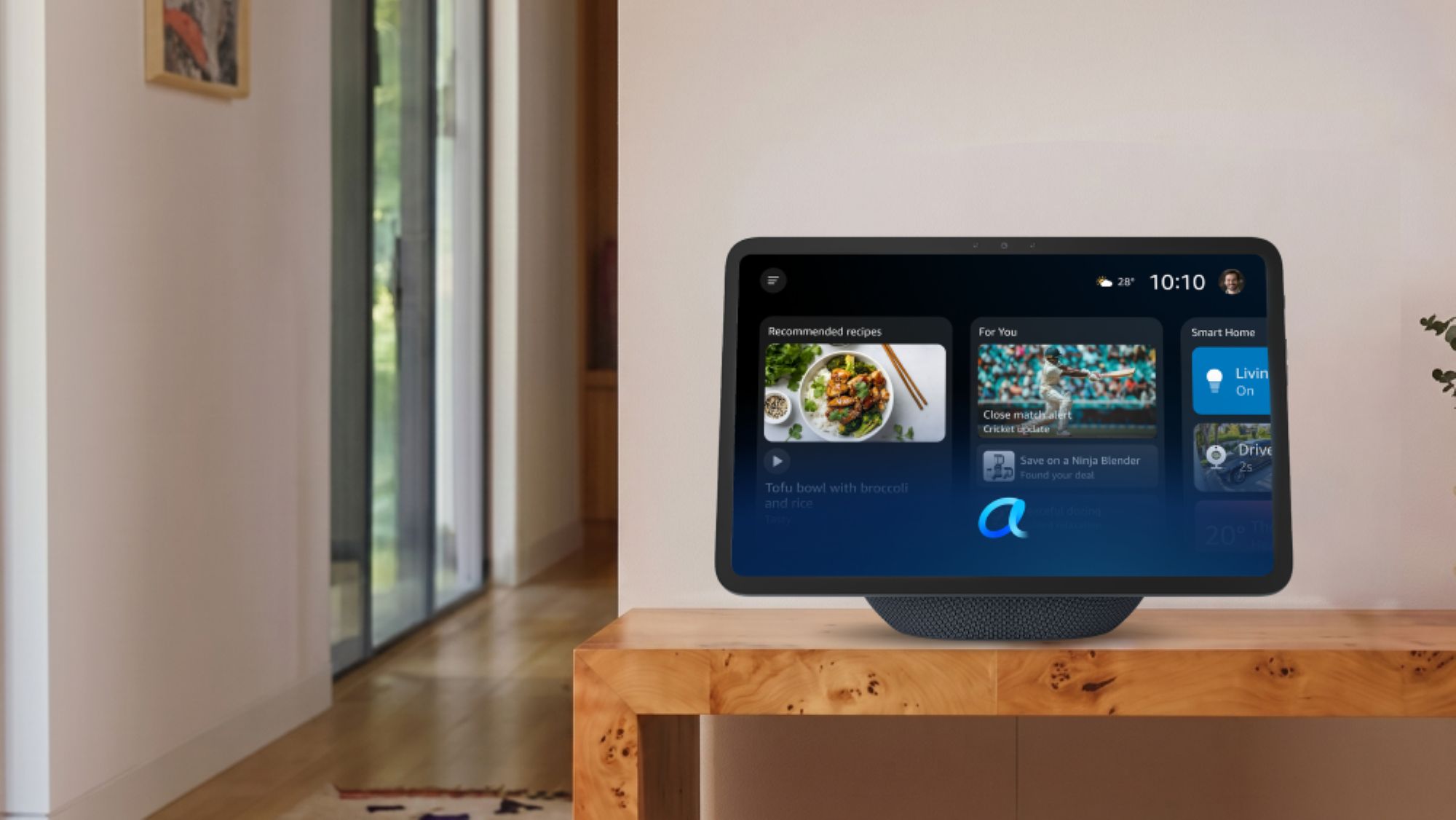
The goal is simple: talking to Alexa should feel as natural as talking to a friend. You want the latest India vs. Australia cricket score? She’s got it. A playlist for the evening? Done. Groceries ordered before dinner? Alexa is on it.
It sounds simple, but making it feel this easy takes serious science. Here are some of the biggest challenges our teams in India have helped solve.

Making conversations feel natural
Human speech doesn’t arrive in a clean text box.
Picture a normal Indian home. You might be speaking from across the room. There’s a ceiling fan running. A television in the background. Other people talking. A pressure cooker whistling in the kitchen. And you might drift between languages while you speak.
That’s speech in the real world, and Alexa has to pick your voice out of all of it. Customers shouldn’t have to think about any of that—they should just talk, and Alexa should understand.
Making that happen is what our teams in India work on every day. They’ve built advanced LLM-based speech technology for Alexa+ that work across local languages and accents, understand local names, music, and movie titles, and stay robust in the noise of a real home—models that now serve Alexa+ customers around the world. And when Alexa speaks back, the voice matters too: it needs to sound natural and conversational, while still sounding familiar and authentically Indian.
Understanding more than the words
But hearing the words is only half the problem. Understanding what you actually mean—that’s where it gets interesting.
For a long time, adapting software for a new country meant translation—menu labels and error messages had to appear in the correct language on screen. With generative AI, translation is just the beginning. Alexa must understand context and culture: which words to translate, which to leave as they are, and sometimes which language you’re speaking in the first place.
Here’s an example. You say: “Jab We Met movie ka gaana chalao.”
To you, that’s effortless—play a song from the movie Jab We Met. But look at what Alexa has to get right. “Jab We Met” is a movie title; if the system interprets jab as Hindi word for “when,” instead of recognising the movie title, the request breaks. The rest of the sentence moves between Hindi and English—what linguists call code-switching. You as a customer aren’t thinking about any of that, and you shouldn‘t have to. You should be able to ask for a song or movie title naturally and let the technology figure out what you want. This means we had to build Alexa to be able to recognise the speech, keep the movie name intact, understand the intent, and respond in that same mixed-language context. That's not a translation problem. It's an understanding problem.
This kind of understanding takes deep human expertise. Our engineers, scientists, and language experts in India bring years of linguistic and cultural knowledge to the models—helping them handle things like gender agreement in Hindi, where “TV chalu reh gaya” and “washing machine kharab ho gayi” follow different patterns. That is not something we can leave to generic translation or assume a model will always get right.
This kind of understanding takes deep human expertise. Our engineers, scientists, and language experts in India bring years of linguistic and cultural knowledge to the models—helping them handle things like gender agreement in Hindi, where “TV chalu reh gaya” and “washing machine kharab ho gayi” follow different patterns. That is not something we can leave to generic translation or assume a model will always get right.
From understanding to action
Understanding what you said is still not enough—Alexa+ has to actually do something about it.
To do that reliably, Alexa+ has to coordinate the right services and tools to finish the job. For a human, this comes naturally, but for an AI assistant, this is more difficult and complex than it might sound. A model can understand your request perfectly, choose the right service, and still fail to complete the task end-to-end. We’ve all had an AI assistant tell us something would get done—and then fail to do it. Our scientists in Bangalore have developed techniques to tackle exactly this: helping models carry what the customer means, across languages, all the way into the right action.
The real question isn’t “Did the AI understand my words?” It’s: “Did it actually do what I needed?” That’s the bar we hold Alexa+ to.
What India teaches us
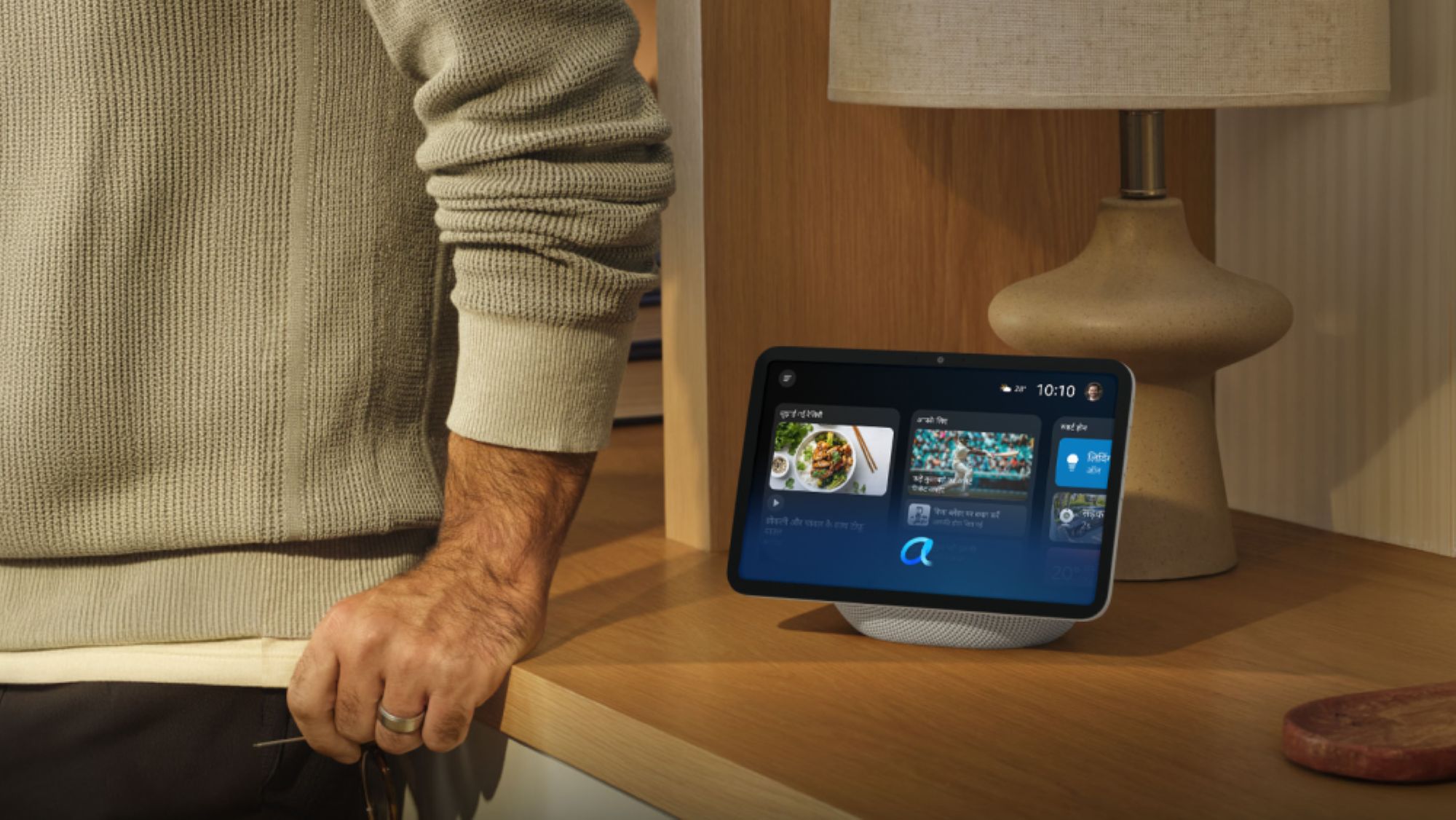
India brings languages, scripts, dialects, accents, and cultural conventions together at a scale few places match. A single household might speak several languages. A single sentence might contain two. We’ve built Alexa+ to belong in Indian homes: speech models trained for the acoustics of real households, language models that handle code-mixed Hinglish, and text-to-speech built to sound authentically Indian. Alexa+ is designed to manage the busy life of Indian families — setting alarms, adjusting the AC, placing orders, all in one conversation.
And solving for that complexity has a ripple effect. Techniques we develop here get applied everywhere.
Across Bangalore, Hyderabad, Pune, and Chennai, multi-disciplinary teams—speech scientists, linguists, engineers, product managers—teach the models what “ek katori dal” means. Alexa+ works because it brings two things together: the latest AI and the human expertise rooted in cultural nuance. You need both.
Making Alexa+ feel simple means solving enormous complexity—across devices, languages, accents, dialects and the countless ways people naturally communicate. India brings that complexity together like few places in the world. And what we learn to solve here helps us build a better Alexa+ everywhere.