

You order fruits and vegetables, they arrive minutes later—fresh and ready to eat.
That's the promise. But what happens before you click on the order button? Where were those fruits and vegetables coming from? Who planted them, picked them, checked them and how did they travel to your kitchen?
We visited the farms, collection centres, local processing centres and micro-fulfilment centres to trace the journey of Amazon's fresh produce—from farm to fork.
Harvested with intent
The trail starts at Vithal's Dream Farm in Kandali, Junnar Taluka—deep in the farming belt of Narayangaon, about hundreds of kilometres from Pune. At dawn, the mulberry harvest is underway.
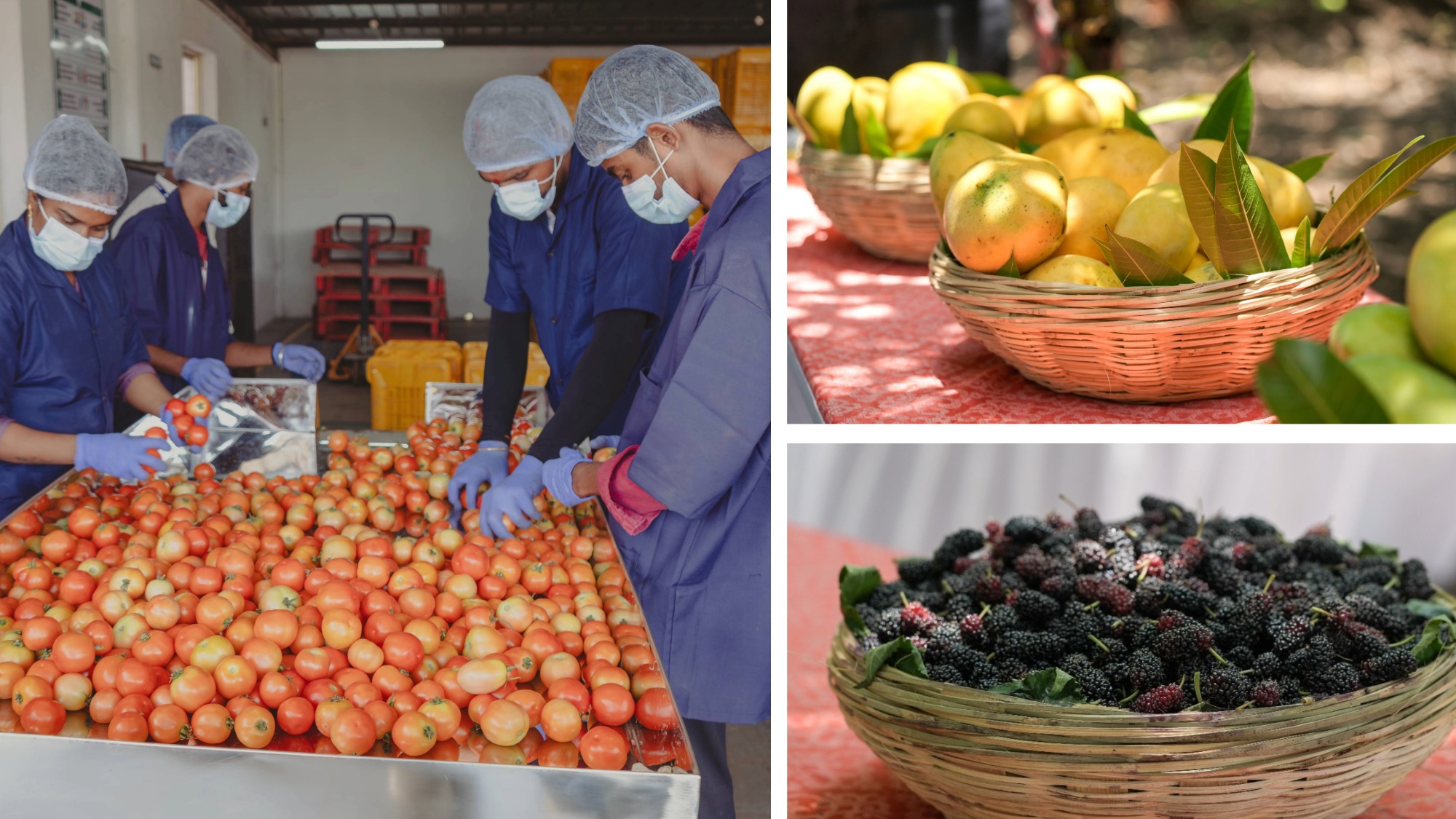
Mulberries are unforgiving. They bleed at the slightest pressure, bruise if gripped too hard and become unsellable within hours if not handled well. The farmers here know this. They harvest with fingertips only, placing each berry into lined crates. Nothing is tossed.
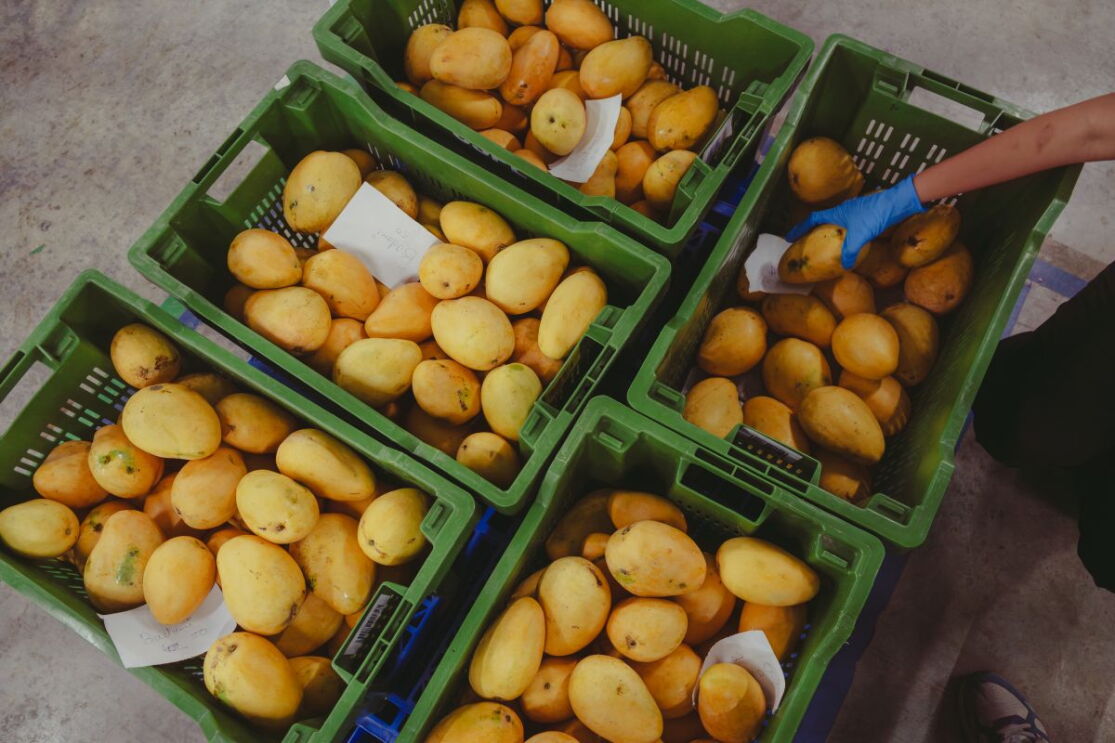
Mangoes, a few rows over, are sorted by ripeness before they leave the farm gate.
Amazon sources nearly 70% of its fresh produce within 200 km of where it's delivered—directly from more than 16,000 farmers across the country. No middlemen. Payment within four hours.
"We plan our harvests differently now," said farmer Mahesh Vithal Shinde. "We grow with confidence."
What struck us wasn't the scale. It was the precision. Quality decisions are made here, at the source—not corrected later. By the time a crate leaves this farm, it's already been graded once.
Sorted, checked and checked again
From the farm, crates move to a collection centre—one of ten in Pune alone. This is where the cold chain begins. And once it begins, it does not break.
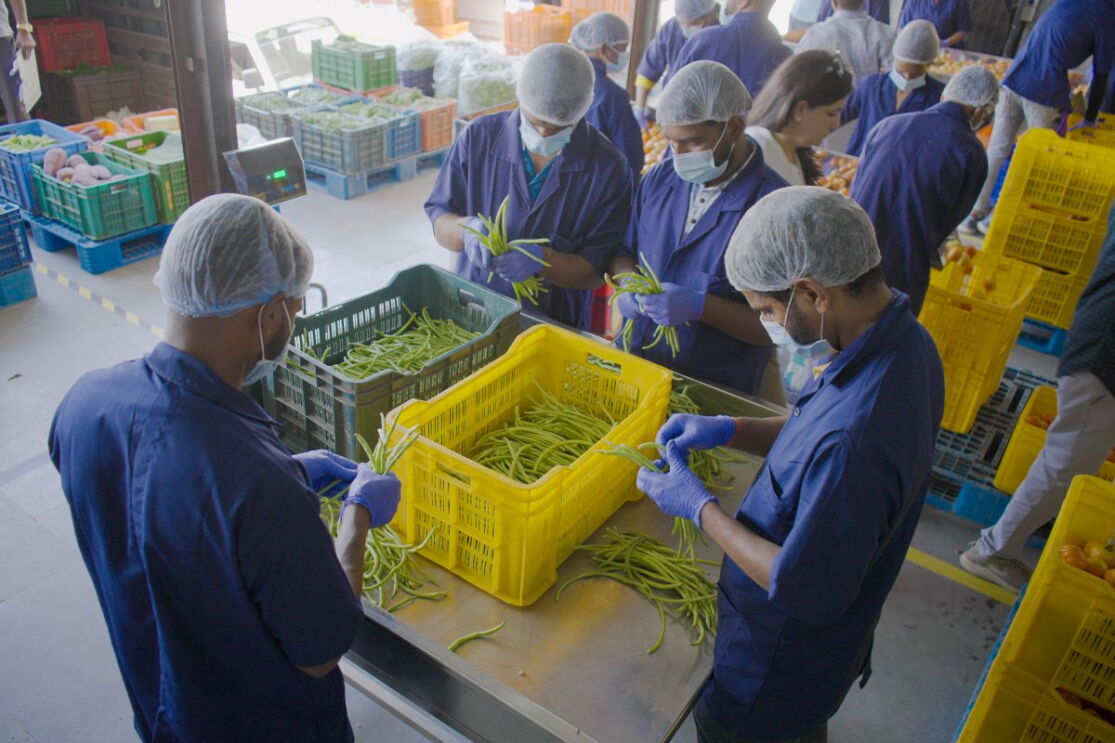
Every batch is graded again: size, colour, firmness, consistency. Anything that doesn't meet the standard doesn't move forward. But what surprised us is that the system isn't designed to simply reject. The centre heads are agriculture specialists who work directly with farmers on what quality means in practice—so rejection rates drop over time. The goal is fewer rejections, not more.
From the collection centre, produce moves to a local processing facility. The mulberries and mangoes we'd watched being harvested that morning were already on the sorting line by lunch. Dawn to processing in hours.
Each category has its own protocol—berries under one set of temperature conditions, leafy greens another, melons a third. A second round of quality checks happens here. The system minimises handling at every stage because every unnecessary touch is a freshness risk.
Stocked before you order
This is the part that reframed how we think about delivery speed.
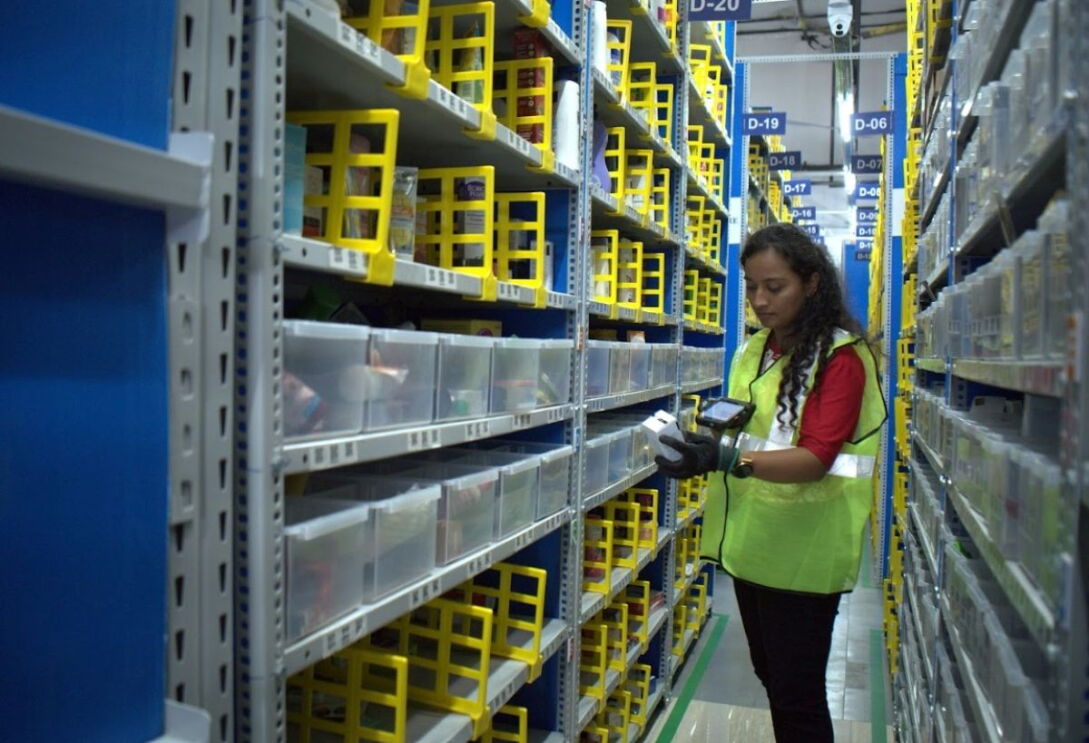
By the time you open the app, the produce is already sitting in a micro-fulfilment centre near you. Graded. Temperature-controlled. Positioned based on what your neighbourhood orders most.
Amazon operates more than 360 micro-fulfilment centres, maintaining multiple temperature zones from -18°C to 22°C. Each one is calibrated to hyper-local demand—what sells in Koramangala, Bengaluru is different from what sells in Powai, Mumbai, and the inventory reflects that.

The speed you experience as a customer isn't the result of someone rushing at the last minute. It's the result of everything upstream being ready before you were. AI predicts demand by reading real-time signals—if there's unseasonal rain and customers suddenly start browsing for umbrellas, that signal flows straight into forecasting models. Inventory is pre-positioned accordingly. The sourcing, the cold chain, the quality gates, the positioning—all of it happens in advance. When you place the order, the only step left is picking and dispatching.
The same infrastructure feeds both Amazon Fresh and Amazon Now. Everything upstream is shared— built over years, not assembled for a single service.
From order to doorstep
You place your order. The mulberries are picked from the micro-fulfilment centre nearest to you — already graded, already cold, already waiting. Minutes later, they're at your door. That part you already knew.
What you don't see is the chain behind it—a farmer 200 km away who harvested those berries at dawn with fingertips, a collection centre that graded them within hours, a processing facility that sorted them by temperature protocol and a micro-fulfilment centre that had them waiting for you before you opened the app.
The system is large. But what makes it work is precision—at the farm, where hands know exactly how much pressure a fruit or vegetable can take; at the collection centre, where specialists grade every batch; at the processing facility, where each category follows its own temperature protocol; and at the micro-fulfilment centre, where data decides what's stocked before you decide what to order.
We traced our order back to the farm—and found that every tomato, every mango, every bunch of coriander ordered on Amazon has a story of quality, speed and care behind it.