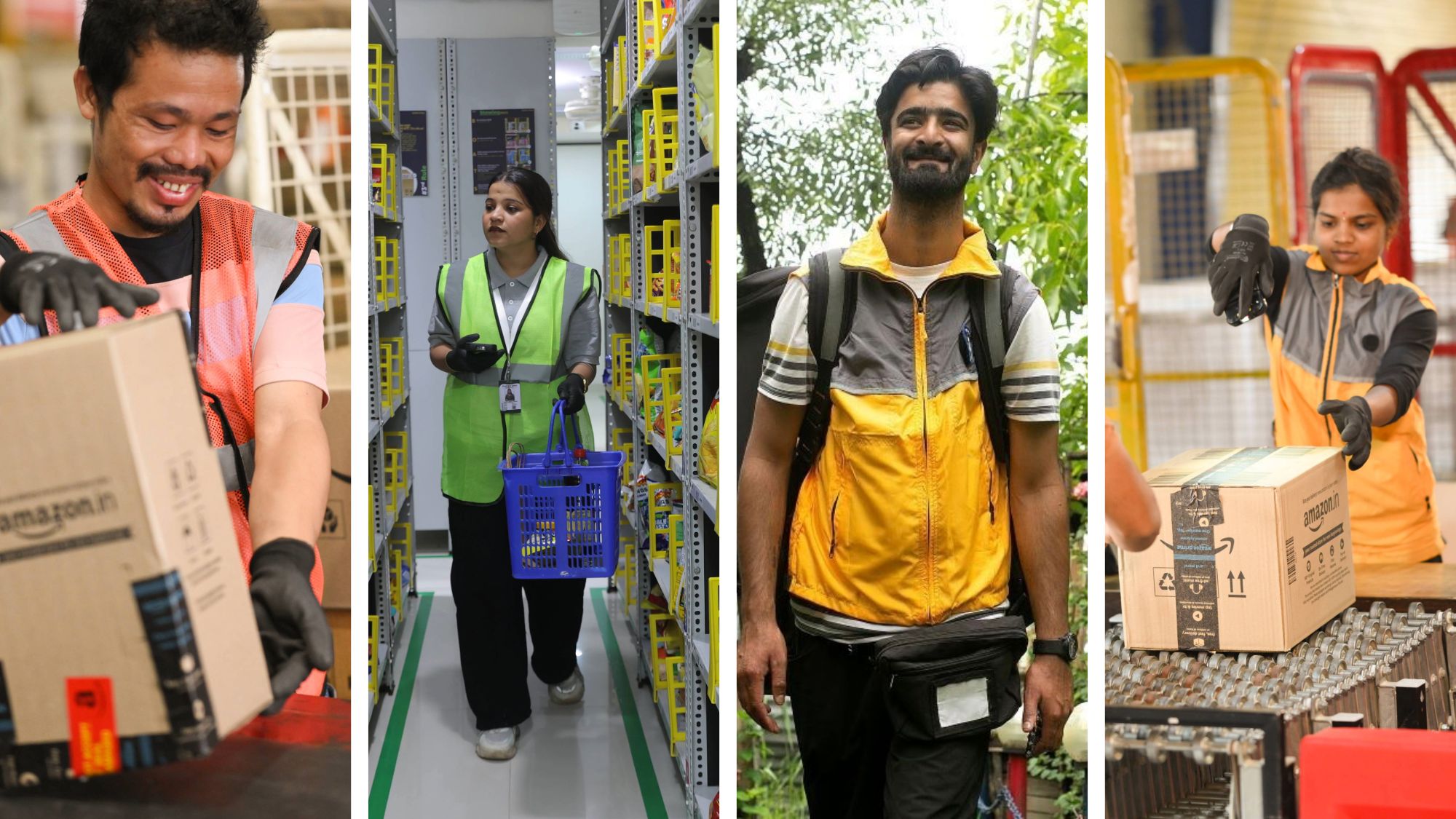

In 2025, Amazon delivered more than 55 crore products to Prime members in India on the same day or the next—a 40% increase over the year before.
Behind that number is an infrastructure that most people never see: a network of fulfilment and sort centres and delivery stations, AI systems making decisions in real time, a fleet of electric vehicles navigating everything from Mumbai's traffic to mountain roads in Leh, and partnerships with institutions that have been reaching every corner of India for over a century.
The result is one of India's largest, fastest, safest and most reliable operations networks. It powers deliveries in minutes, hours, and days and reaches every serviceable pin code in the country.
Here is how it all works.
Fastest: Delivery in minutes with Amazon Now
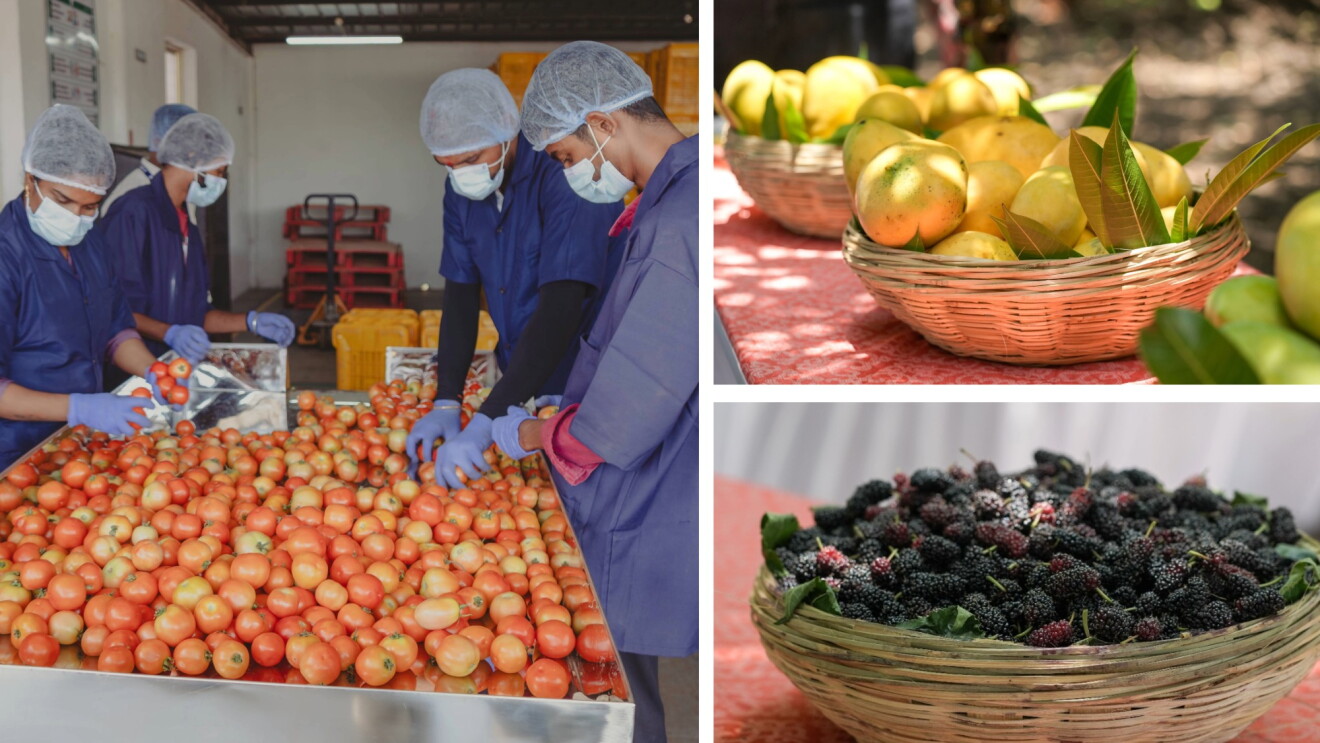
Amazon Now, the company's ultra-fast delivery service, is built on a network of micro-fulfilment centres (MFCs) positioned close to the neighbourhoods they serve. Amazon also plans to expand Amazon Now to more than 300 cities, building India’s largest “delivery in minutes” network. The expansion will allow more than 16,000 farmers to leverage Amazon’s technology and operations to take their fresh produce directly to customers through sellers on Amazon Now.
To bring inventory closer to customers and enable faster delivery across categories that were previously unavailable on Amazon Now, the company announced plans to rollout more than 100 Urban Fulfilment Centres (UFCs), a larger-format facility that offers four times more selection than what was previously available. As Amazon expands its ultra-fast delivery service, it will scale its specialised fulfilment infrastructure with MFCs and UFCs.
Largest: The network that reaches every pincode
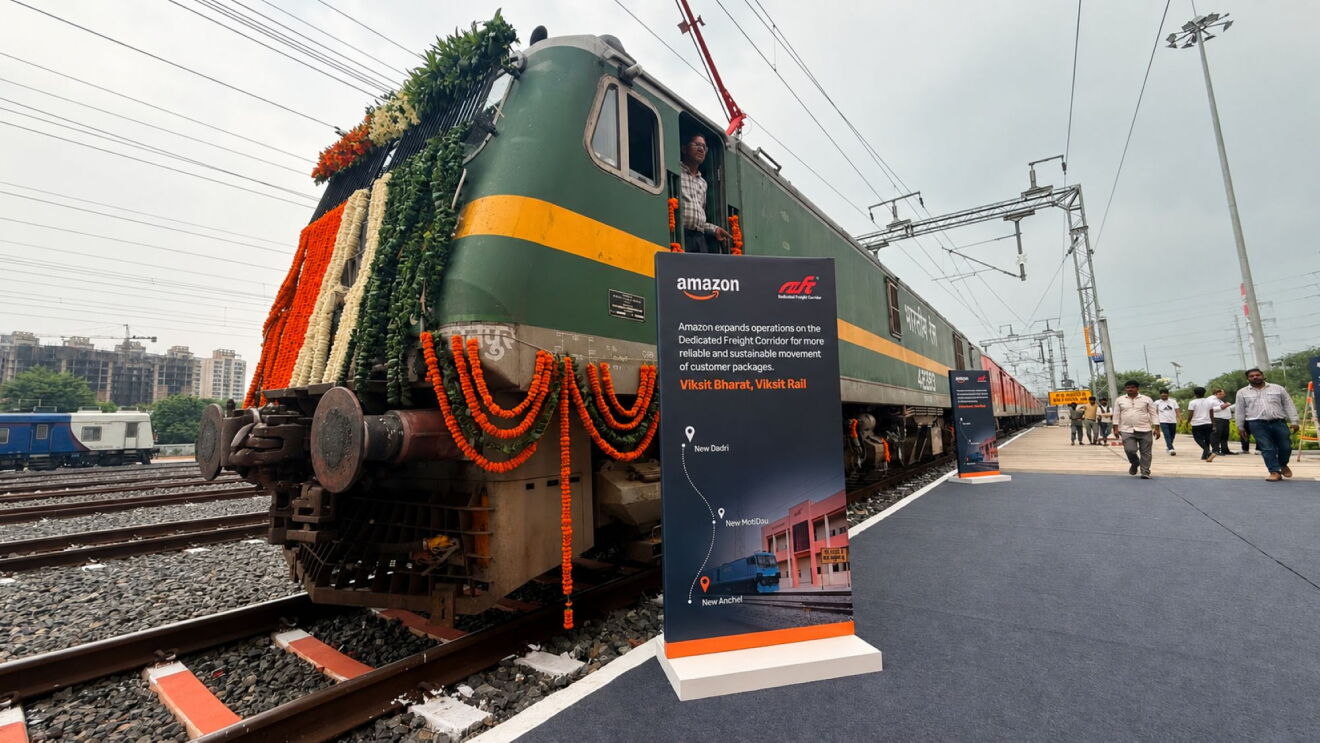
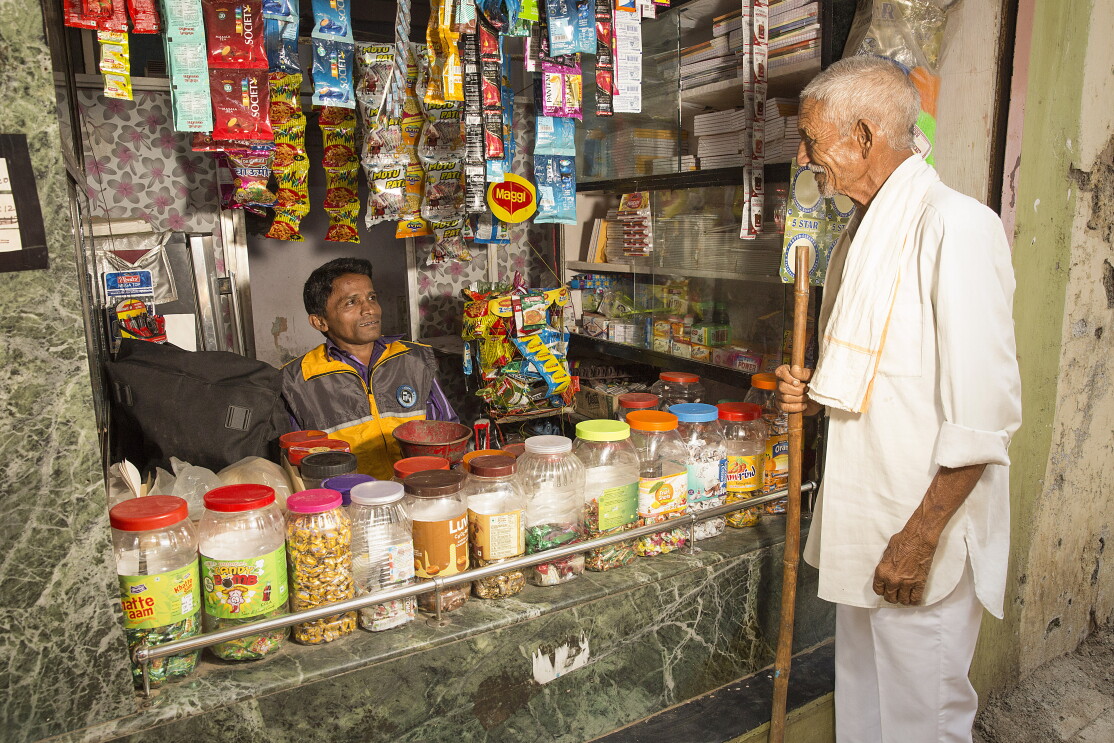
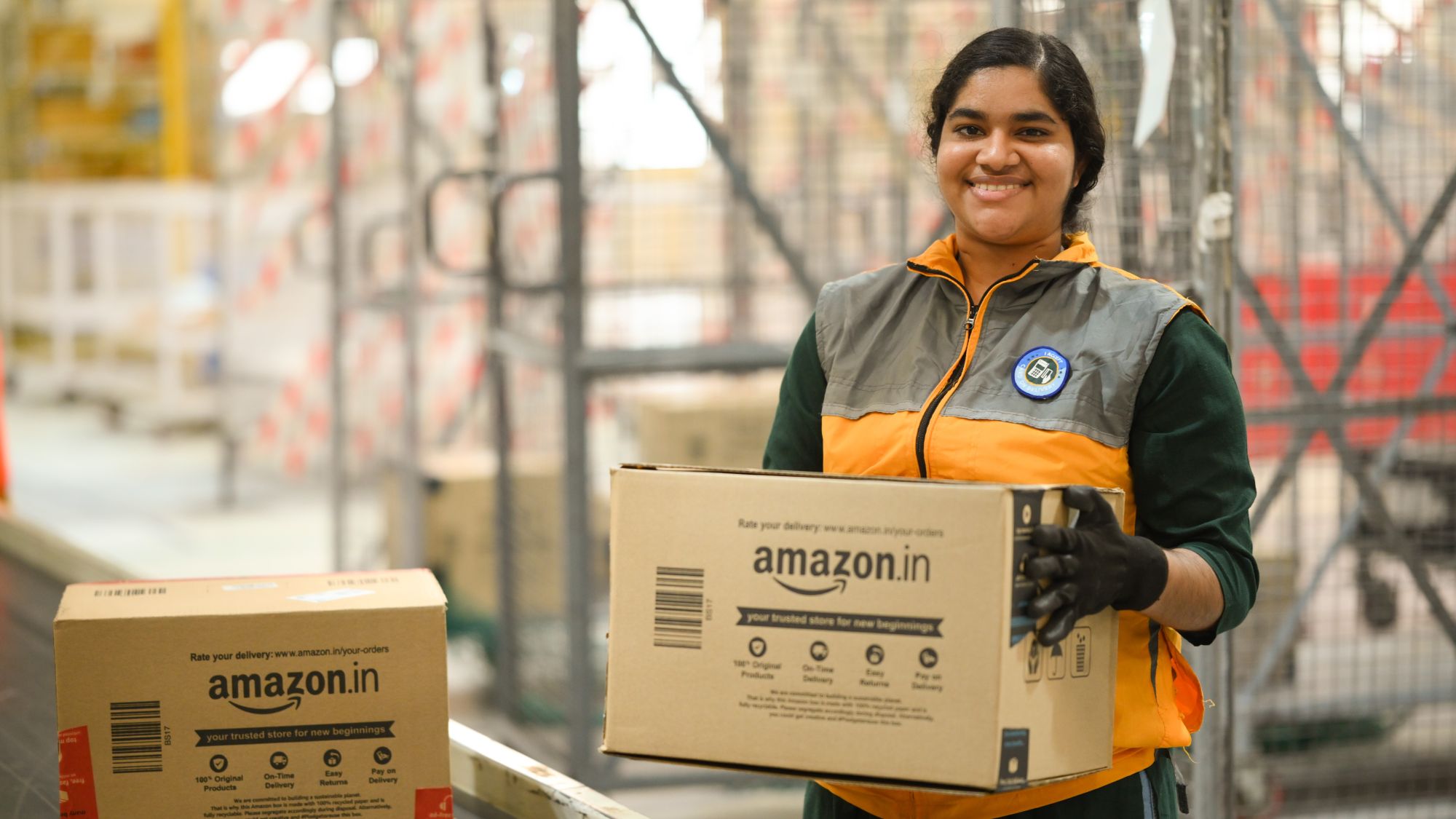
Amazon’s operations network spans 43 million cubic feet of storage across 16 states, 3 million square feet of sortation area and close to 2,000 last-mile delivery stations. Amazon’s operations network is also supported by partnerships with institutions that have been reaching every corner of India for decades. Amazon was the first ecommerce company to partner with India Post in 2013, tapping into more than 150,000 post offices in towns and villages with no other reliable courier coverage. In 2019, it began working with Indian Railways on a single train; by 2024, that had grown to more than 120 trains operating 130 intercity routes connecting 91 cities, including use of the Dedicated Freight Corridor. Amazon is also the only ecommerce company delivering to forward posts for all branches of the Indian armed forces.
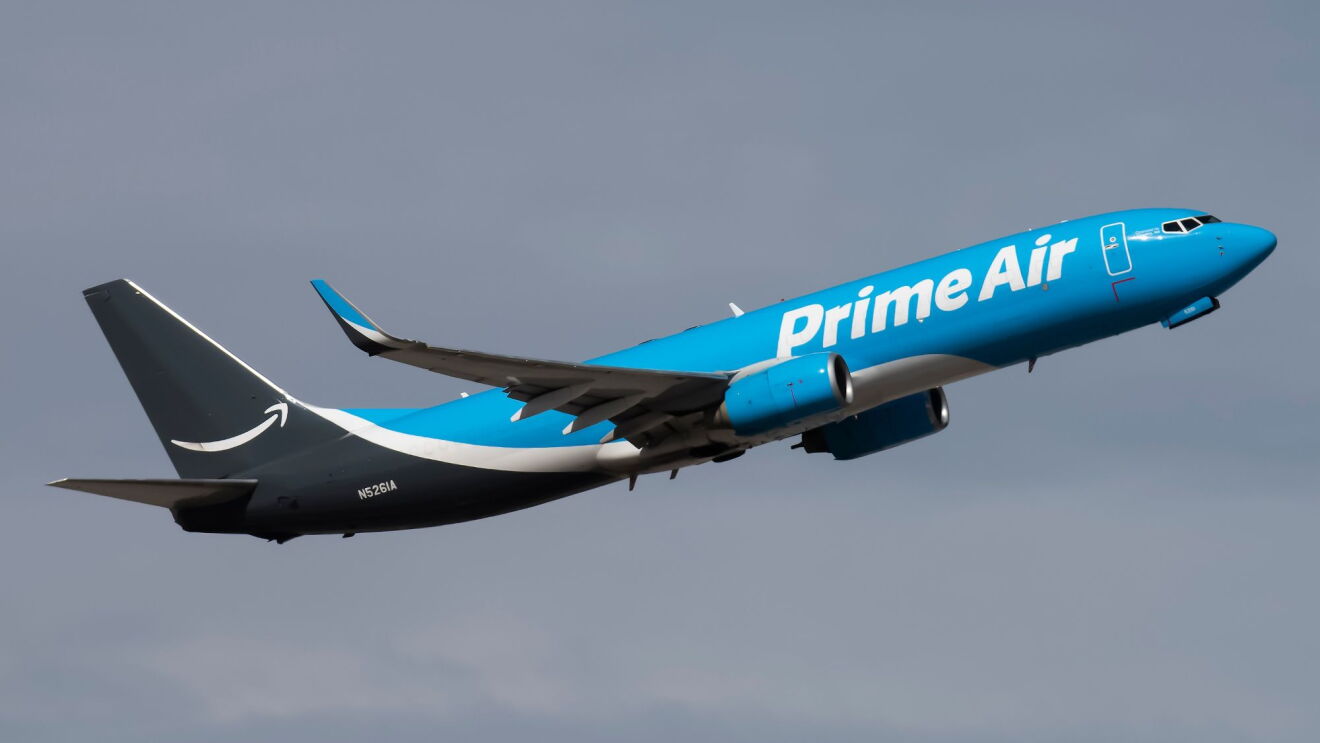
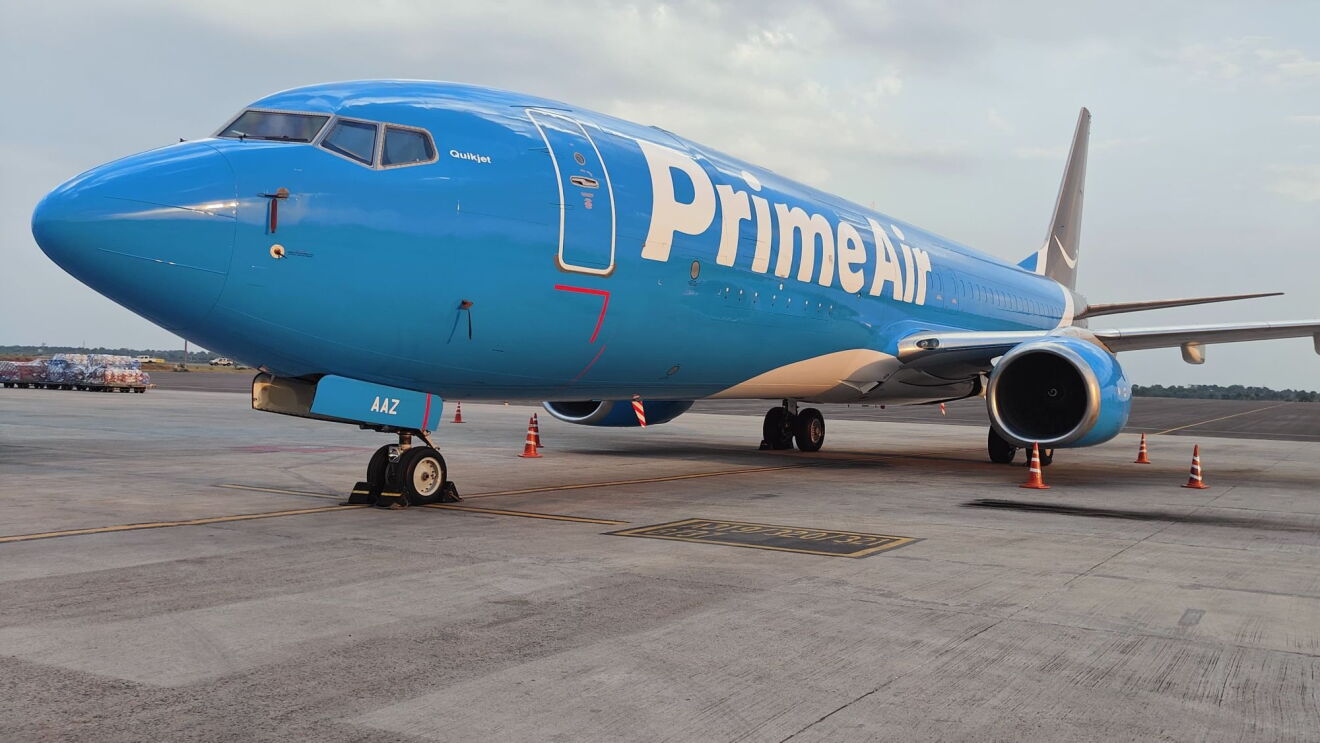
Amazon also launched India's only dedicated ecommerce air cargo service, Amazon Air in 2023. Two narrow-body freighters run overnight routes connecting Delhi, Mumbai, Bengaluru, Guwahati, and Pune. In early 2026, Amazon Air expanded to Northeast India with new cargo routes connecting Kolkata and Guwahati. Combined with surface transportation, the air network now covers all seven sister states—Arunachal Pradesh, Assam, Manipur, Meghalaya, Mizoram, Nagaland, and Tripura—reducing transit times and increasing delivery speeds by up to five times.
Amazon uses artificial intelligence across multiple touchpoints in its supply chain—from the moment a customer places an order to the moment it arrives at the door:
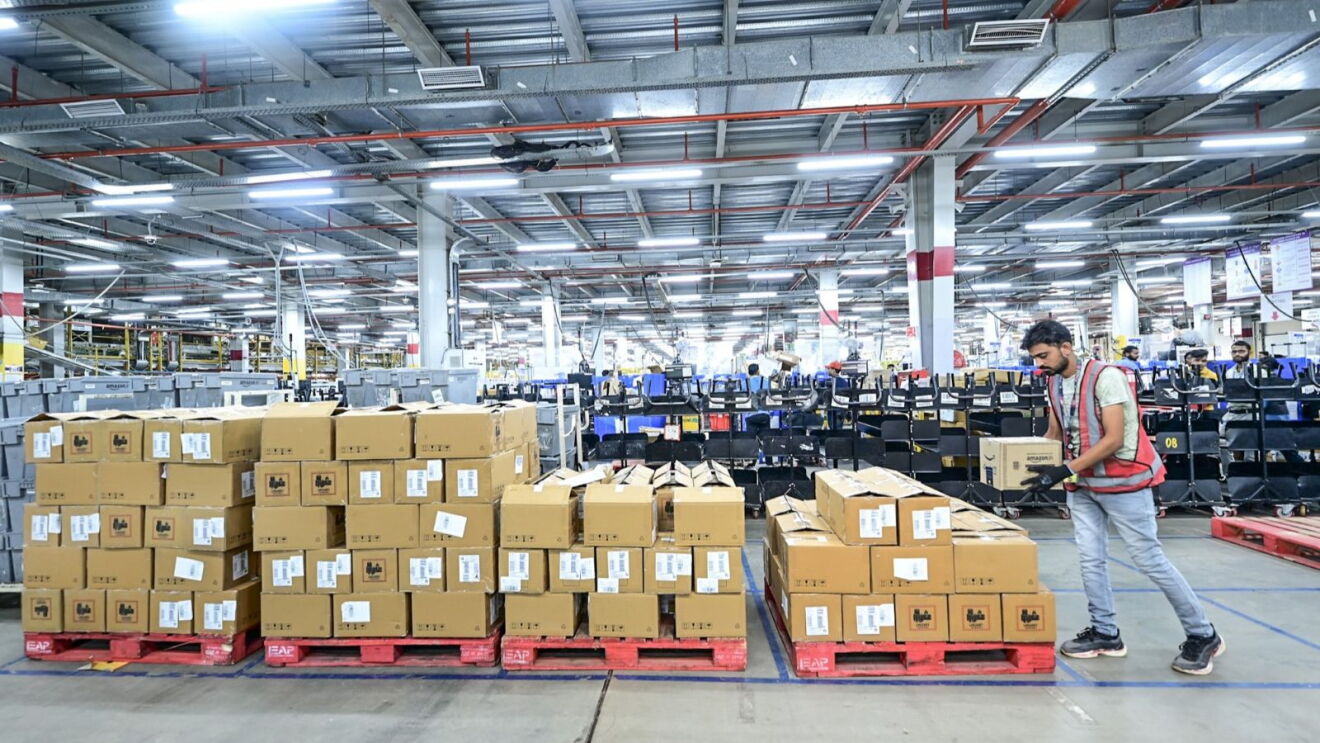
- Inside a fulfilment centre, AI helps associates through the most efficient pick path, reducing the time taken to locate and pack an order.Amazon's fulfilment network uses core algorithms to manage fulfilment centre capacity and schedule inbound inventory appointments. Capacity is validated before appointments are confirmed, ensuring inventory is received in line with available capacity and helping maintain smooth operations across the network.
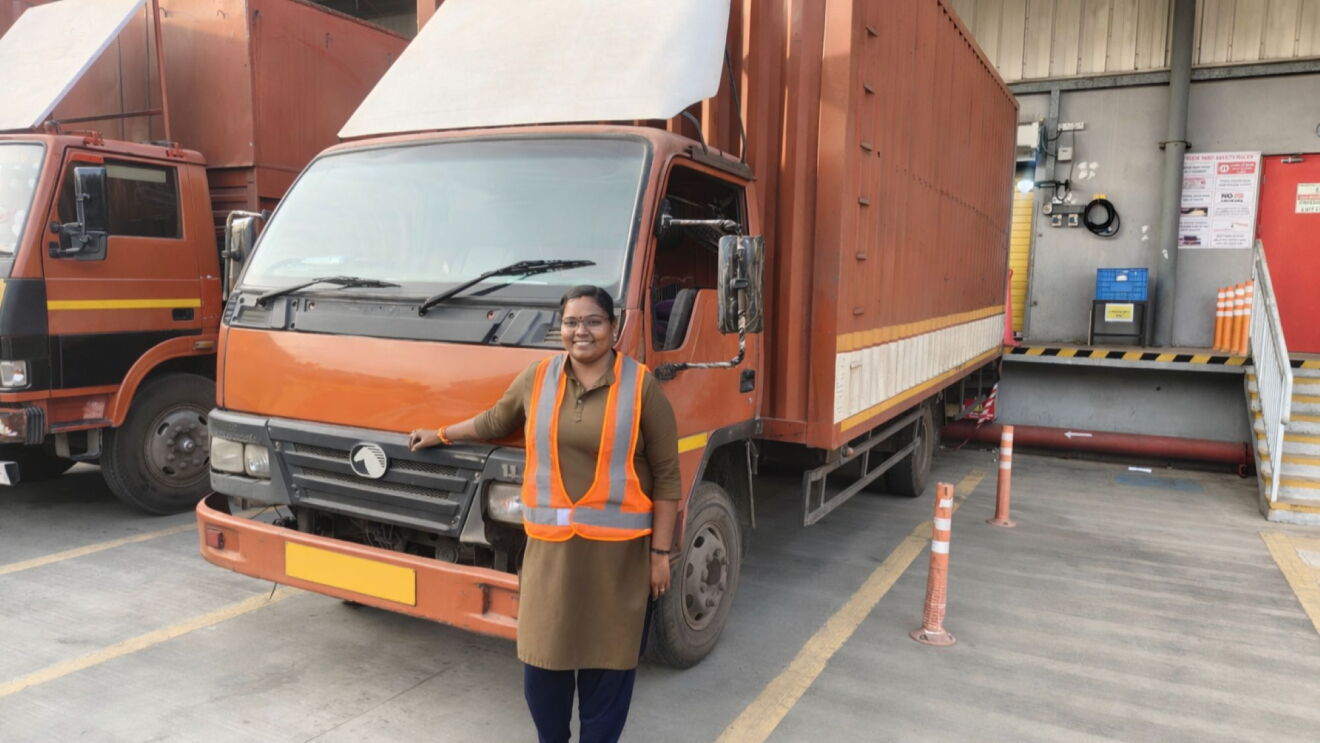
- Once the package is out for delivery, route optimisation goes beyond basic mapping. Amazon's systems factor in dynamic routing to direct delivery associates along the fastest available path while maintaining safe driving practices. AI models also assess route complexity to enable more equitable workload distribution across the delivery network, preventing overloading of specific areas or associates.
- One of the more technically challenging problems Amazon has worked to solve in India is address navigation. A significant share of Indian addresses are loosely structured or non-standard.Amazon's upstream address matching models are designed to interpret the unstructured addresses and generate accurate geocodes, enabling more reliable navigation and efficient deliveries.
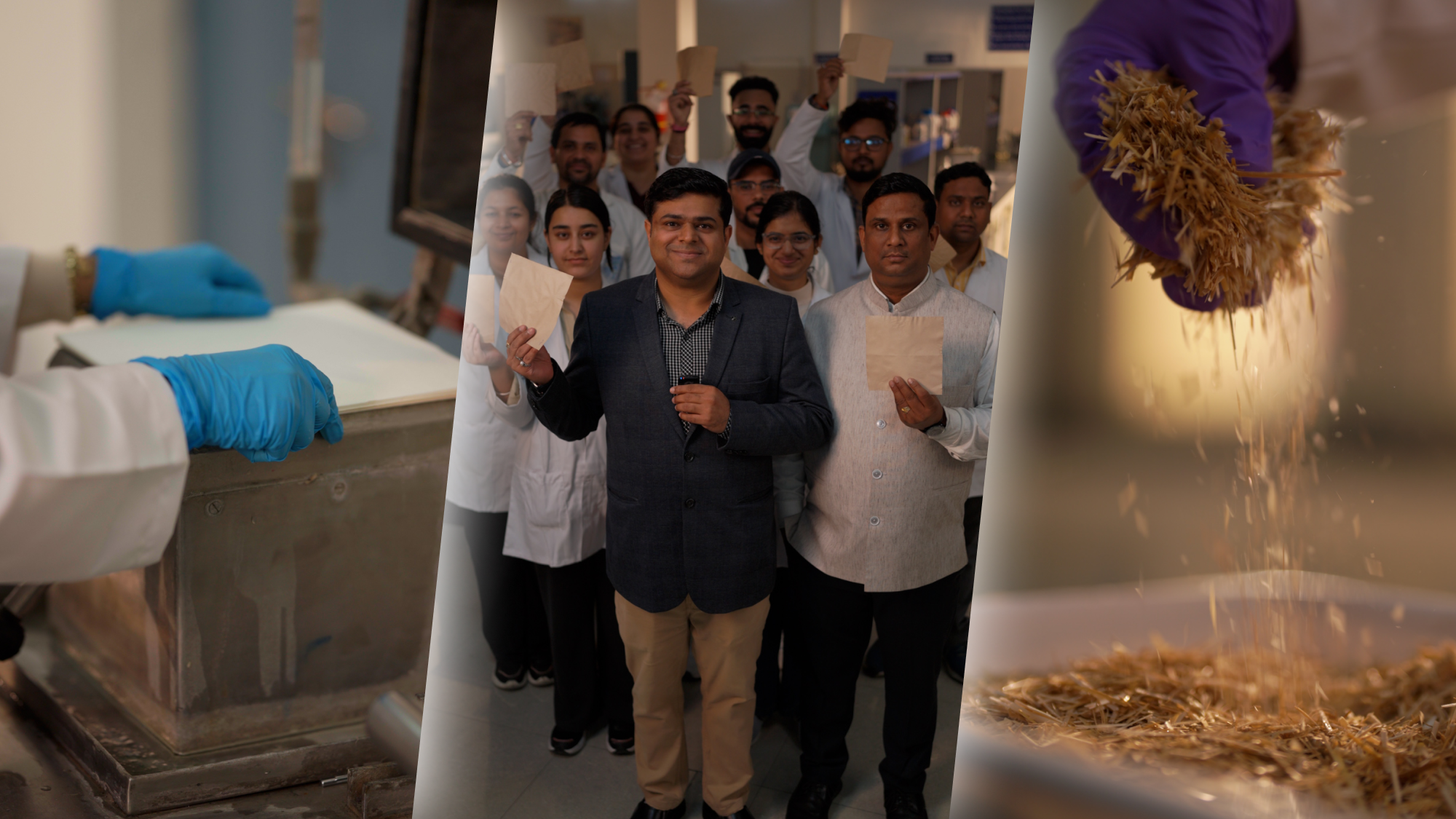
Amazon is also committed to powering its operations more sustainably. It has collaborated with IIT Roorkee to convert agricultural waste into biodegradable paper mailers, addressing stubble burning problems while creating sustainable alternatives to plastic packaging.
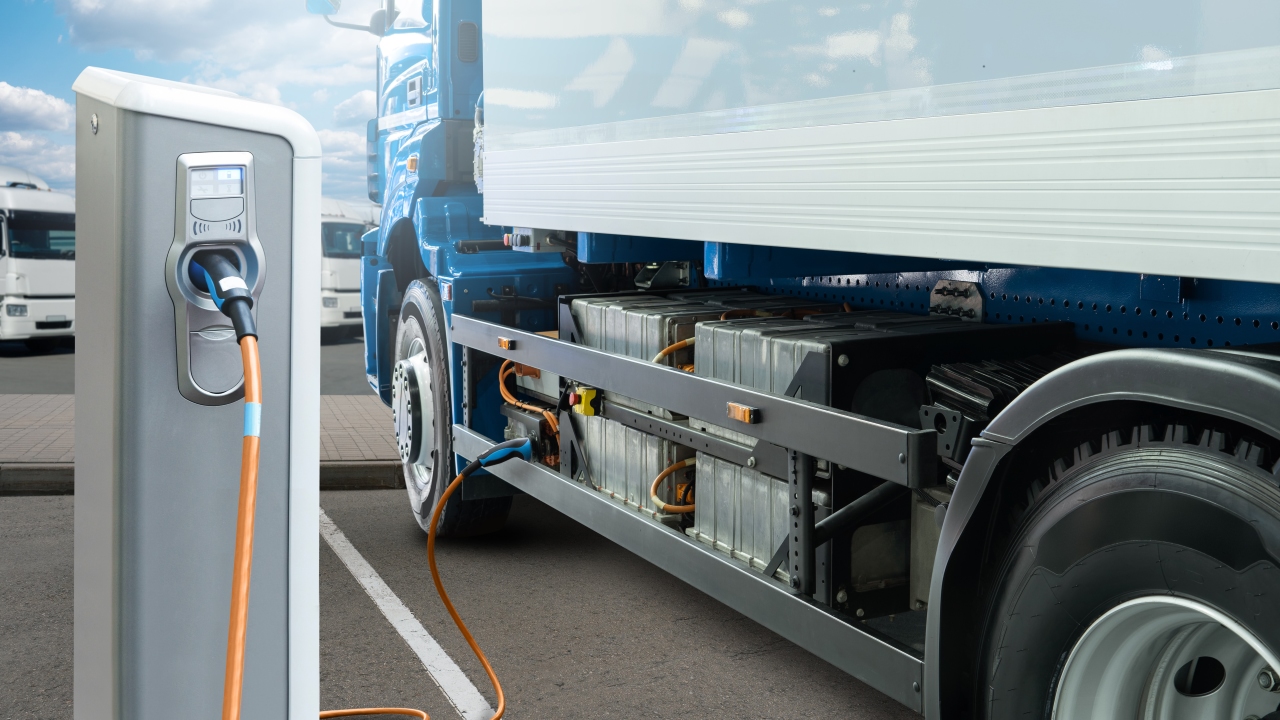
Amazon also continues to push the boundaries of freight electrification. Under the Laneshift program, a zero-emission freight initiative by The Climate Pledge (co-founded by Amazon), the company became the first ecommerce company to pilot long-range electric heavy-duty trucks on the 350 km Bengaluru–Chennai corridor in partnership with other industry stakeholders.
Safest: A network built around people
An operations network is only as strong as the people who run it. Amazon's approach to its workforce, associates in fulfilment centres and delivery partners on the road, is built around safety and welfare.
Associates in our network receive competitive pay, Provident Fund and ESIC benefits, medical and personal accident insurance, five-day workweek and nodal pick up and drop facilities for all associates. Other provisions include on-site medical and rest facilities, air-conditioned break rooms with ample seating and sanitary pad dispensing machines.

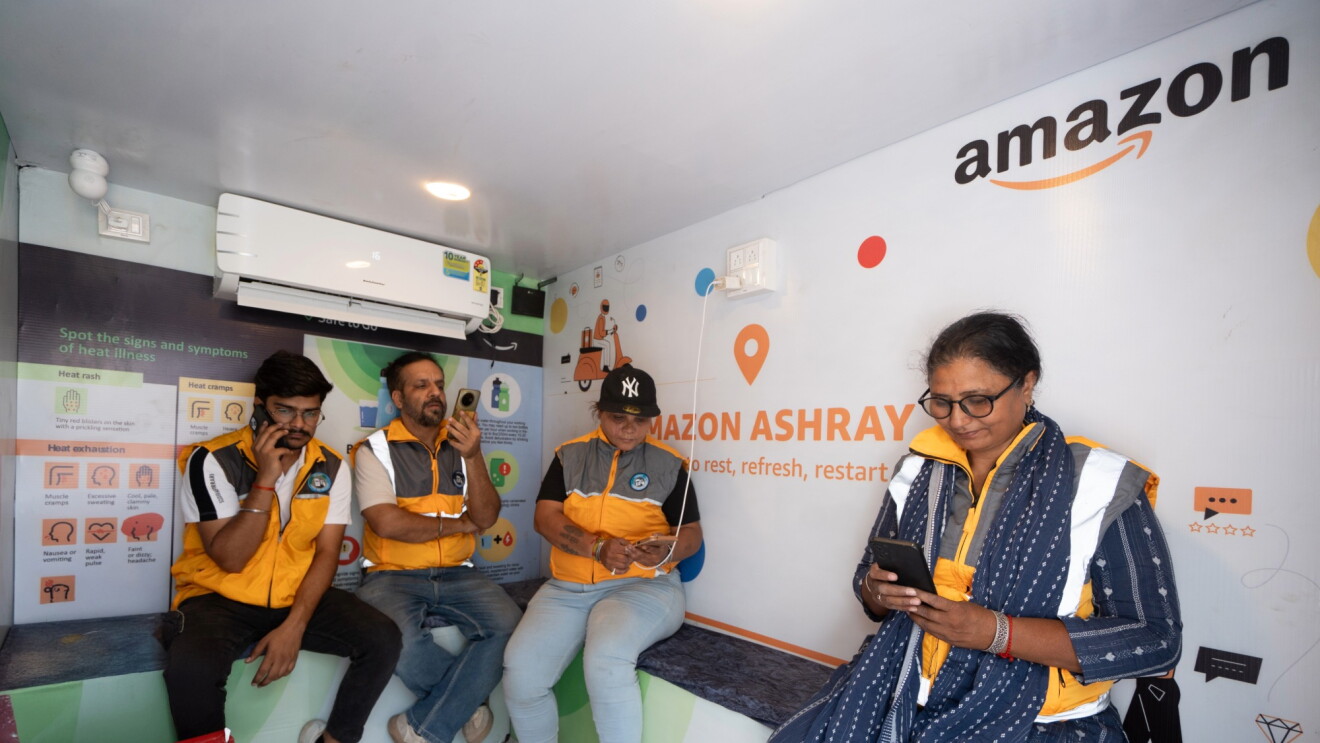
Delivery associates are supported by 24/7 safety infrastructure: dedicated helplines, emergency support, and free ambulance services through partners operating in more than 730 cities. Before every trip, vehicles undergo multi-point inspections. During extreme weather associates receive real-time alerts, defensive driving guidance, and additional break time. Amazon also announced the ‘Sammaan’ program to support delivery associates through education scholarships for children, upgraded health and life insurance, launch of mobile Ashray vans and expansion of Ashray rest centres to 250 by end of 2026.
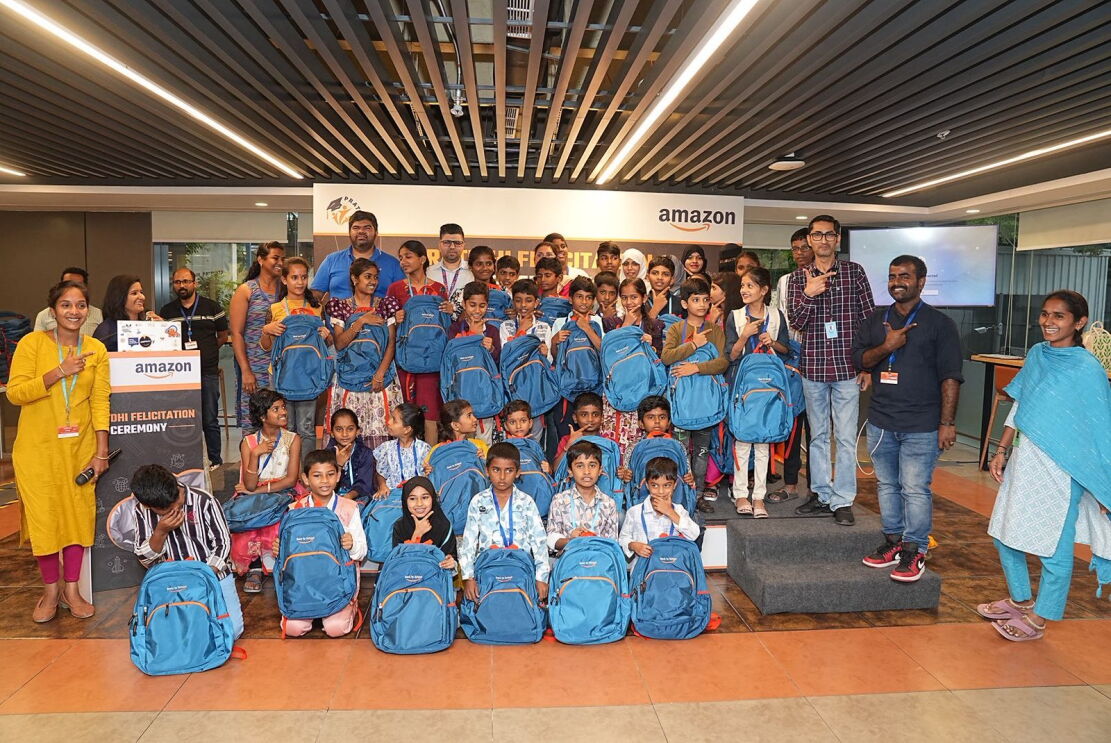
Amazon also supports associates and their families through two dedicated programmes: Samriddhi, which helps tens of thousands of associates and more than 200,000 community members access government benefits including health insurance and pension schemes, and Pratidhi, a scholarship programme that provides financial support to associates' children from Class 3 to Class 12.
Building for the long term
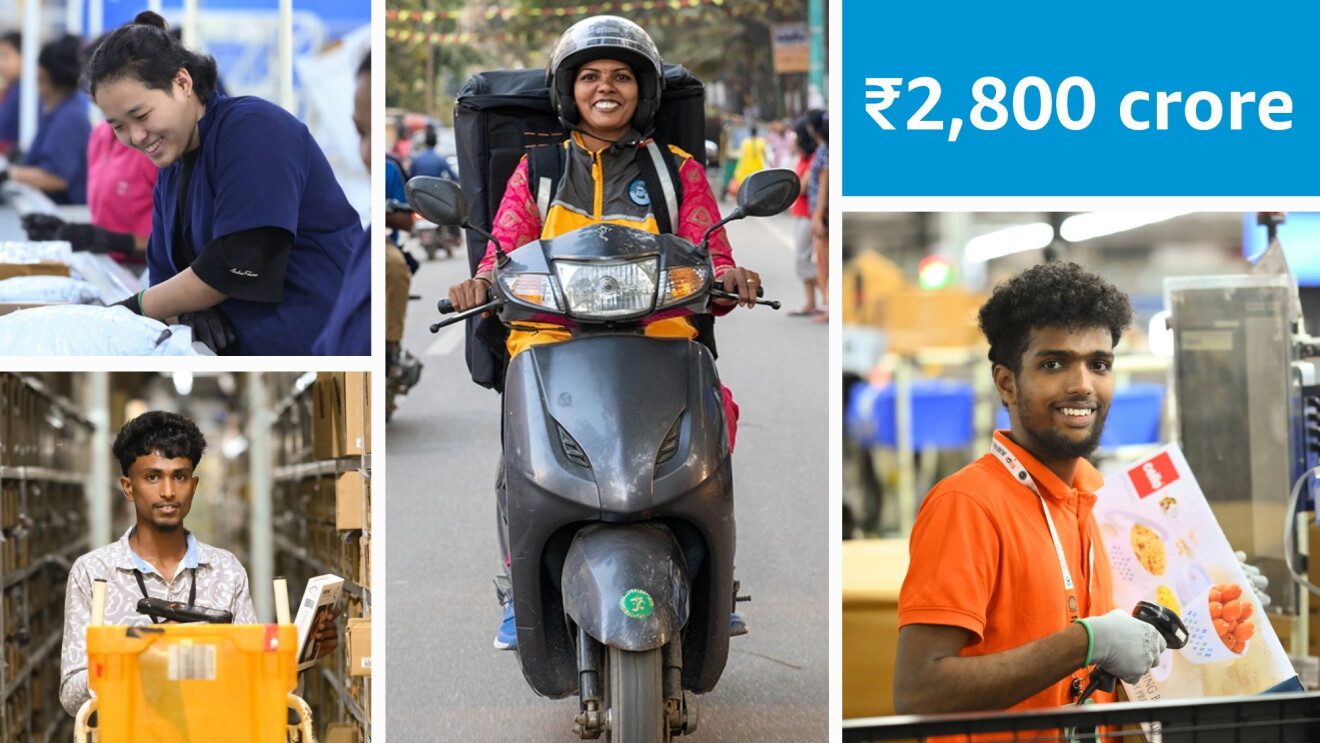
Amazon has invested ₹2,000 crore in India operations in 2025 and announced a further ₹2,800 crore investment in 2026. As Amazon delivers to every serviceable pincode in India, the technology, the mode of transport, and the partnerships are all working toward the same goal: closing the distance between what a customer orders and when it arrives.